
Electrical Measurement & Monitoring · Technical Explainer
Multiple Insulation Monitors on One Network: Review Interference Risks

Quick answer
Two monitors are not automatically incompatible; the deciding issue is whether their measuring circuits observe one connected electrical domain and whether the exact manuals document their relationship. Map each operating state, model, measuring role, alarm owner and transition condition before procurement. A communications link alone does not prove coordinated measurement. For this network question, the buyer should identify the electrical state, exact monitor variant, measuring role and evidence owner before accepting a compatibility statement. A blank field is safer than a guessed limit, because the same installation can change domain when a tie or converter state changes.
Define the monitored domain
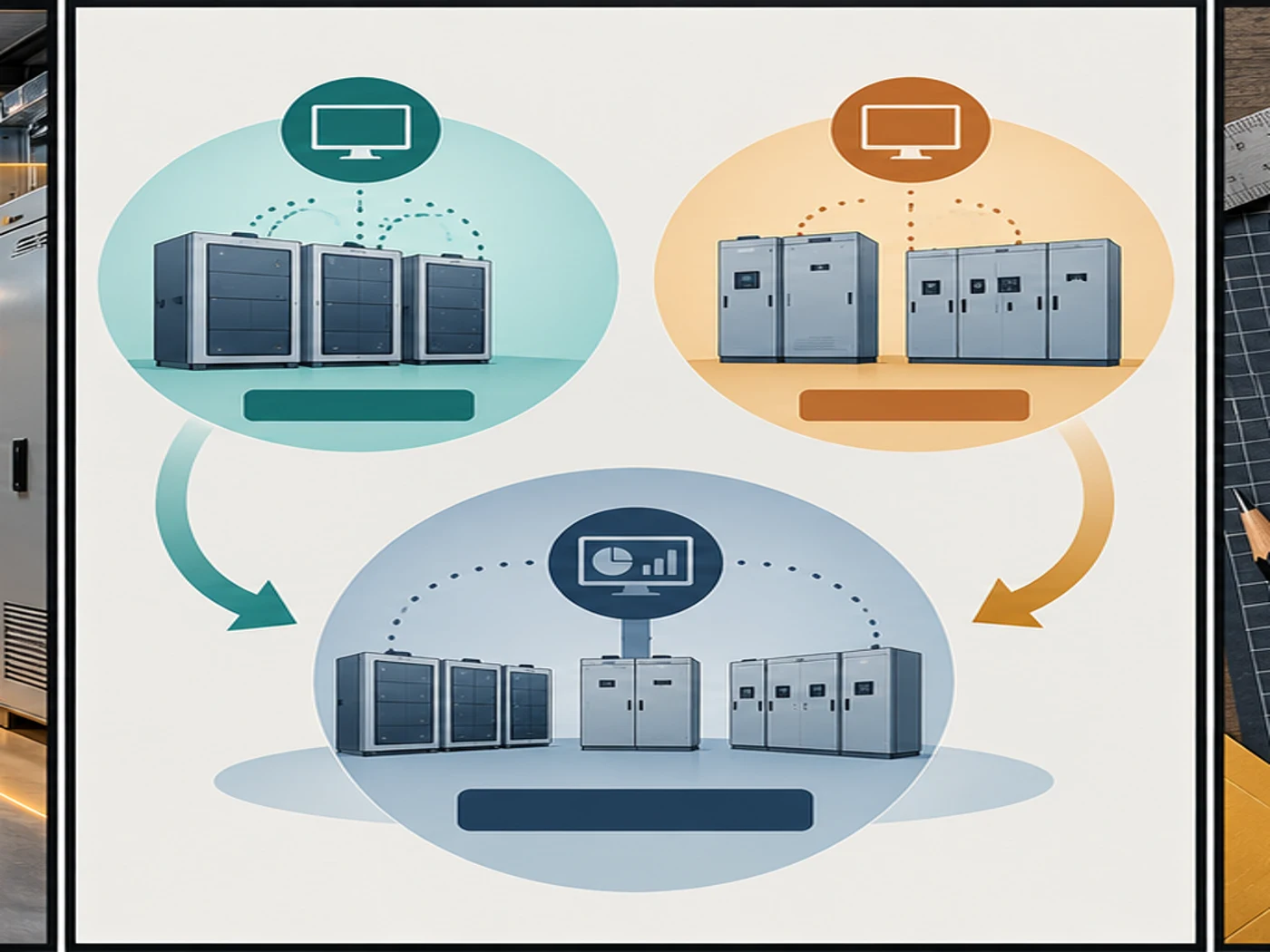
Device count is weaker than domain identity. A source, bus tie, converter, bypass or transfer state can change which conductors belong to one monitored domain. Use conceptual states such as A isolated, B isolated and A+B coupled. These labels describe a review, not an instruction to close a coupler. For every state record what is connected, which monitor sees it and which facts remain unknown. For this network question, the buyer should identify the electrical state, exact monitor variant, measuring role and evidence owner before accepting a compatibility statement. A blank field is safer than a guessed limit, because the same installation can change domain when a tie or converter state changes.
Measurement method matters
Insulation monitors apply a model-specific measuring method and observe a response. A second stimulus may affect that response, but direction and severity depend on the selected variant. Do not infer compatibility from a shared brand, a DC/AC label or a network port. Request the exact manual, firmware scope and application drawing for the pair. For this network question, the buyer should identify the electrical state, exact monitor variant, measuring role and evidence owner before accepting a compatibility statement. A blank field is safer than a guessed limit, because the same installation can change domain when a tie or converter state changes.
Monitoring and fault location differ
Bender’s documented iso685-D-P example distinguishes ISOnet alternating measurement from EDSsync fault-location coordination. This is a narrow example of model/function-specific coordination, not proof for BIM-M1000 or every parallel arrangement. Keep continuous insulation value, fault-location role and coordination mechanism in separate fields. For this network question, the buyer should identify the electrical state, exact monitor variant, measuring role and evidence owner before accepting a compatibility statement. A blank field is safer than a guessed limit, because the same installation can change domain when a tie or converter state changes.
Build a state register
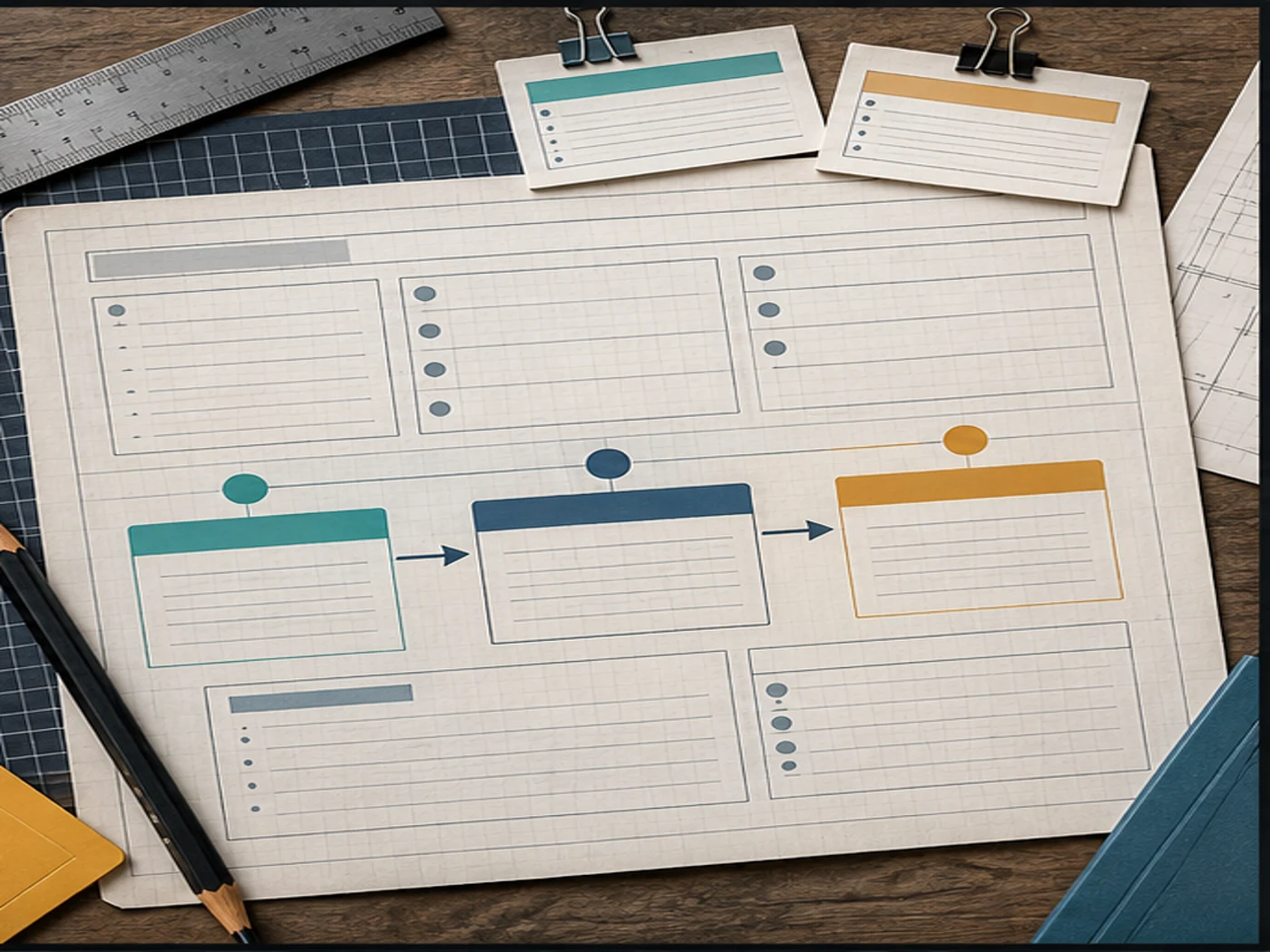
Use rows for drawing revision, system identity, exact model and firmware, monitored domain, measuring method, permitted relationship, coordination source, transition coverage, alarm destination and approving owner. “Not documented” is a valid value. The register prevents a yes/no compatibility checkbox from hiding a bus-tie transition or a changed drawing. For this network question, the buyer should identify the electrical state, exact monitor variant, measuring role and evidence owner before accepting a compatibility statement. A blank field is safer than a guessed limit, because the same installation can change domain when a tie or converter state changes.
Transitions and unknown status
Steady-state evidence does not cover transfer or paralleling automatically. Ask what status is reported while domain boundaries change and when coordination is unavailable. Do not invent a delay, relay action or reset behavior. An unknown or stale value must remain visibly different from a healthy insulation result. For this network question, the buyer should identify the electrical state, exact monitor variant, measuring role and evidence owner before accepting a compatibility statement. A blank field is safer than a guessed limit, because the same installation can change domain when a tie or converter state changes.
Communications are a separate question
A fieldbus can transport alarms without coordinating electrical measurement. A dedicated coordination feature may have a different interface and firmware boundary. Ask for protocol, supported versions, loss-of-communications behavior and final alarm ownership. “Can be networked” is not evidence of simultaneous measurement. For this network question, the buyer should identify the electrical state, exact monitor variant, measuring role and evidence owner before accepting a compatibility statement. A blank field is safer than a guessed limit, because the same installation can change domain when a tie or converter state changes.
Procurement example
For two isolated DC sections with a possible future tie, write three rows: isolated A, isolated B and coupled/transition. Request selected-variant documentation for each row. If the coupled row is unresolved, leave it unresolved rather than converting a missing document into a universal device-count limit or a switching recipe. For this network question, the buyer should identify the electrical state, exact monitor variant, measuring role and evidence owner before accepting a compatibility statement. A blank field is safer than a guessed limit, because the same installation can change domain when a tie or converter state changes.
Supplier request
Send the one-line diagram revision, exact models, firmware, states, measured quantity and intended role. Ask whether measurement is simultaneous, alternating or coordinated; what status is reported when coordination fails; and which document approves the relationship. Keep marketing adjectives out of the final decision. For this network question, the buyer should identify the electrical state, exact monitor variant, measuring role and evidence owner before accepting a compatibility statement. A blank field is safer than a guessed limit, because the same installation can change domain when a tie or converter state changes.
RITOKS product context
RITOKS lists the BIM-M1000 DC/AC insulation monitoring device in Electrical Measurement & Monitoring. The product link identifies a commercial family and a request starting point; public family information does not prove parallel compatibility, synchronization, fault location or protective clearing. For this network question, the buyer should identify the electrical state, exact monitor variant, measuring role and evidence owner before accepting a compatibility statement. A blank field is safer than a guessed limit, because the same installation can change domain when a tie or converter state changes.
FAQ: Do two monitors always interfere?
No. Separate domains may be independent; a coupled domain requires model-specific evidence. Count alone proves neither compatibility nor interference. For this network question, the buyer should identify the electrical state, exact monitor variant, measuring role and evidence owner before accepting a compatibility statement. A blank field is safer than a guessed limit, because the same installation can change domain when a tie or converter state changes.
FAQ: Does a communication cable coordinate measurement?
No. Communication may carry alarms. Coordination must be documented for the exact models and loss behavior. For this network question, the buyer should identify the electrical state, exact monitor variant, measuring role and evidence owner before accepting a compatibility statement. A blank field is safer than a guessed limit, because the same installation can change domain when a tie or converter state changes.
FAQ: Is fault location the same as monitoring?
No. Fault location can use a distinct stimulus and detectors. A fault-location diagram cannot be reused as generic monitor evidence. For this network question, the buyer should identify the electrical state, exact monitor variant, measuring role and evidence owner before accepting a compatibility statement. A blank field is safer than a guessed limit, because the same installation can change domain when a tie or converter state changes.
FAQ: What is the safe unresolved status?
Write “measurement relationship not verified for this state,” preserve the gap and request the exact manual or application approval. For this network question, the buyer should identify the electrical state, exact monitor variant, measuring role and evidence owner before accepting a compatibility statement. A blank field is safer than a guessed limit, because the same installation can change domain when a tie or converter state changes.
Review handoff and approval boundary
The state register becomes most useful at the design-review handoff. Give each row a source drawing, the exact monitor identity and a named reviewer. If a row says that a coupled state is not documented, that is a valid engineering outcome; it tells procurement exactly what application note or manual section to request. Do not convert the gap into a statement that the devices will interfere, and do not convert it into a statement that they are redundant. Both conclusions require evidence for the selected arrangement.
What changes the conclusion
The conclusion can change when the domain boundary changes, when a different monitor variant is selected, or when a fault-location function is added. It can also change when firmware changes the supported coordination behavior. Record those variables explicitly. A generic product-family page is useful for finding the right supplier, but the approval should point to the model-specific document and its conditions. This approach keeps a future expansion reviewable without rewriting the original decision.
Practical buyer takeaway
The buyer does not need to know every internal measurement algorithm to ask a good question. They need a clean state description, exact devices, intended roles and the status expected when coordination is unavailable. A concise evidence request often resolves the issue faster than a long list of assumed limits. Keep the final answer conditional and preserve the unresolved state until the responsible supplier and designer sign it.
When to pause the design
Pause the decision when the coupled state is central to the operating concept and no selected-manual evidence exists. A pause is not a failure of the article; it is a clear boundary that protects the buyer from purchasing an assumed coordination feature. The request can proceed once the supplier identifies the supported relationship, status behavior and applicable drawing revision. Keep the original isolated-state analysis intact so the new evidence can be compared rather than replacing it.
Record the answer for future changes
Store the response with the model and firmware identity, not only with a project nickname. If a future replacement uses a different measuring method, reopen the relationship review. This small discipline prevents an old approval from being copied to a new monitor simply because the enclosure and product family look similar. Keep the approval language proportional: a documented isolated state can be accepted while a coupled state remains open. This is a stronger result than a blanket yes or no because it tells the next reviewer exactly which condition still needs evidence.
Source notes
Sources are listed in dossier.md. Product-specific statements are limited to verified evidence; hypothetical arithmetic is labelled.