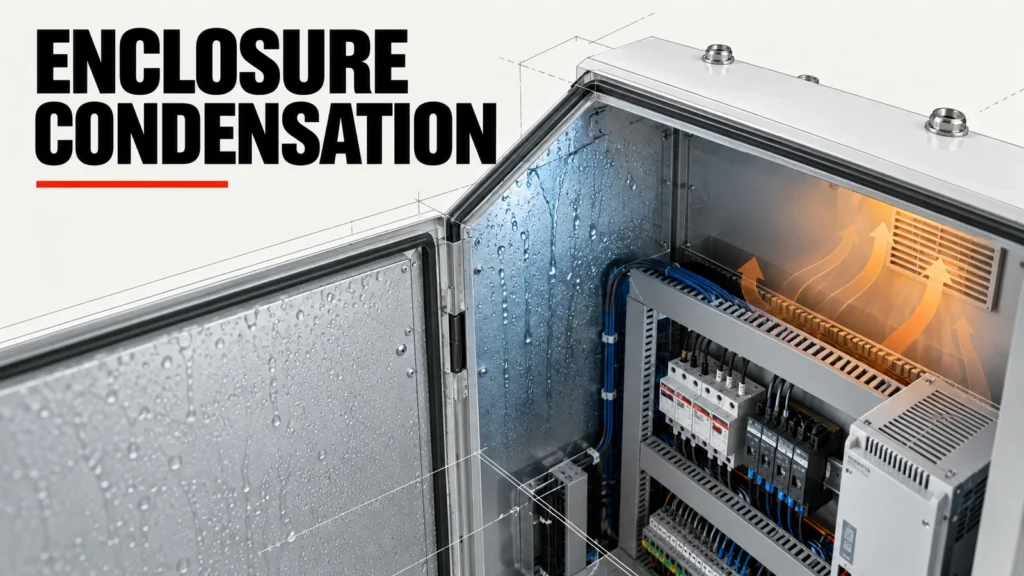
Condensation and Dew Point in Electrical Enclosures: Decision Inputs
Understand enclosure dew point by comparing moisture conditions with cold surfaces, then assess ventilation, heating and cooling options using measured site inputs.

Understand enclosure dew point by comparing moisture conditions with cold surfaces, then assess ventilation, heating and cooling options using measured site inputs.
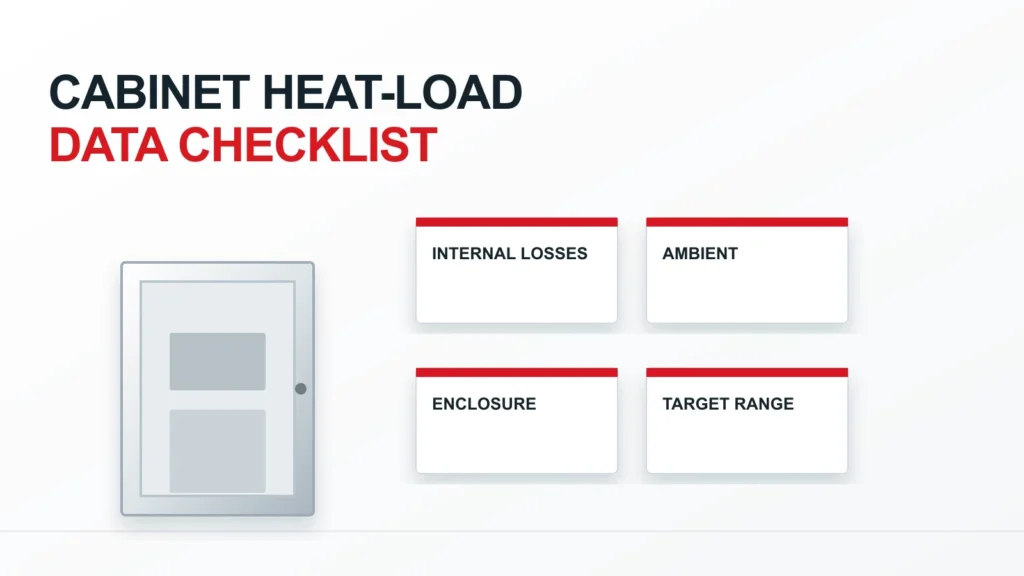
Collect component losses, duty cycles, enclosure data and environmental inputs before selecting a cabinet cooling method.

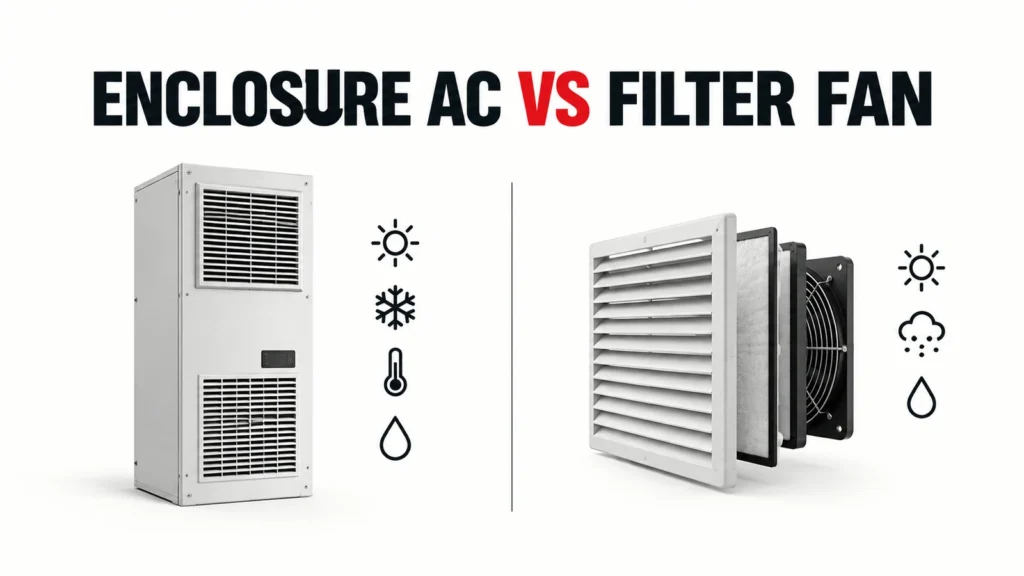
Assess heat load, ambient exposure, dust, duty and condensate before specifying an enclosure air conditioner for factory automation cabinets.
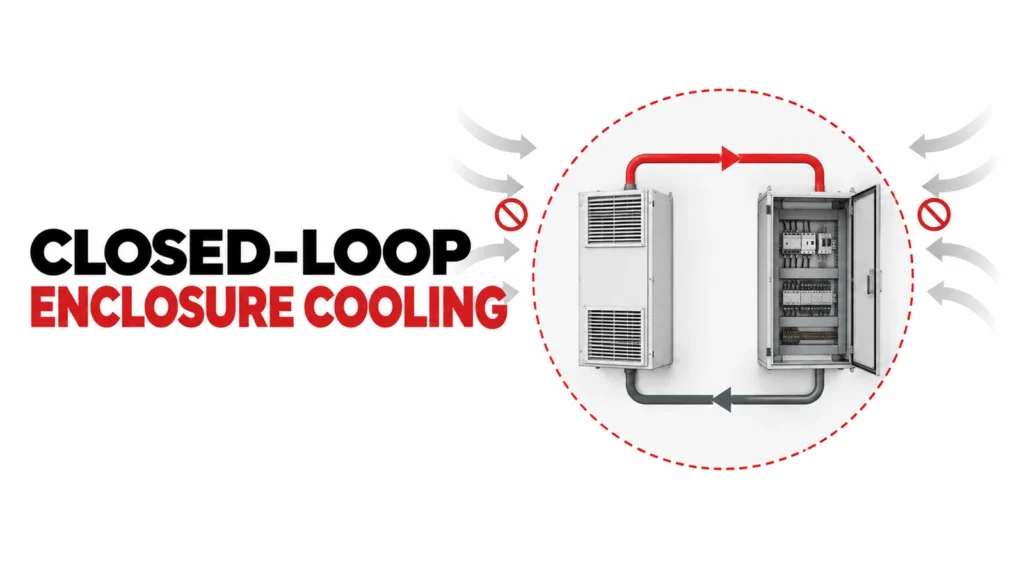
Understand closed-loop enclosure cooling, its separation from ambient air exchange and the evidence needed before selection.
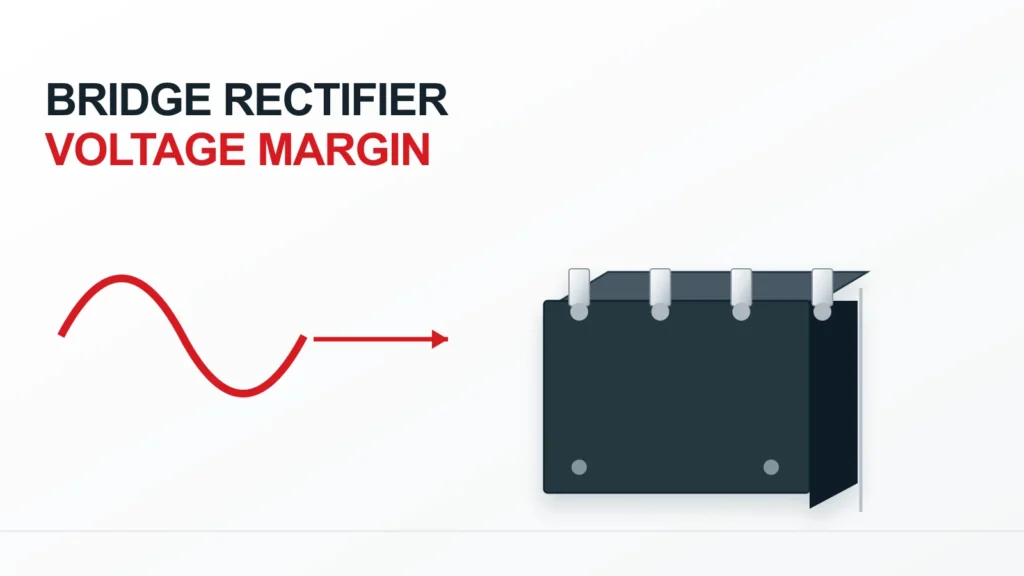
Compare bridge rectifier reverse-voltage ratings with actual circuit stress, transient conditions and documented design margin.

Prepare a cabinet fan RFQ using heat load, air path, resistance, supply, mounting, environment, filtration, control and service inputs.
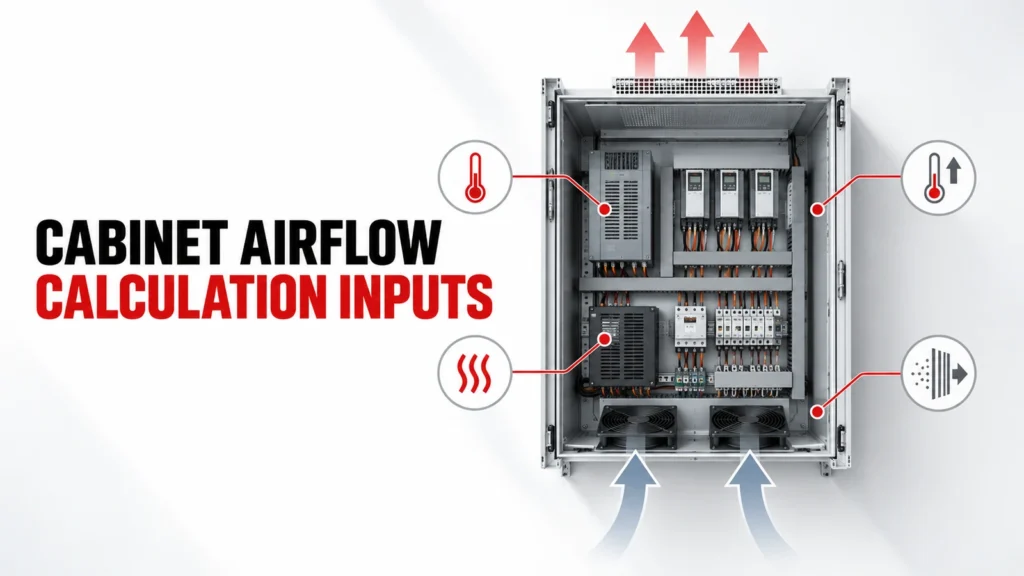
キャビネットの気流計算の入力項目:熱負荷、温度上昇、および制限条件。キャビネットの換気方式を選択する前に、アプリケーションの入力項目、正確なモデルに関する資料、および見積依頼(RFQ)の質問事項を確認してください。.
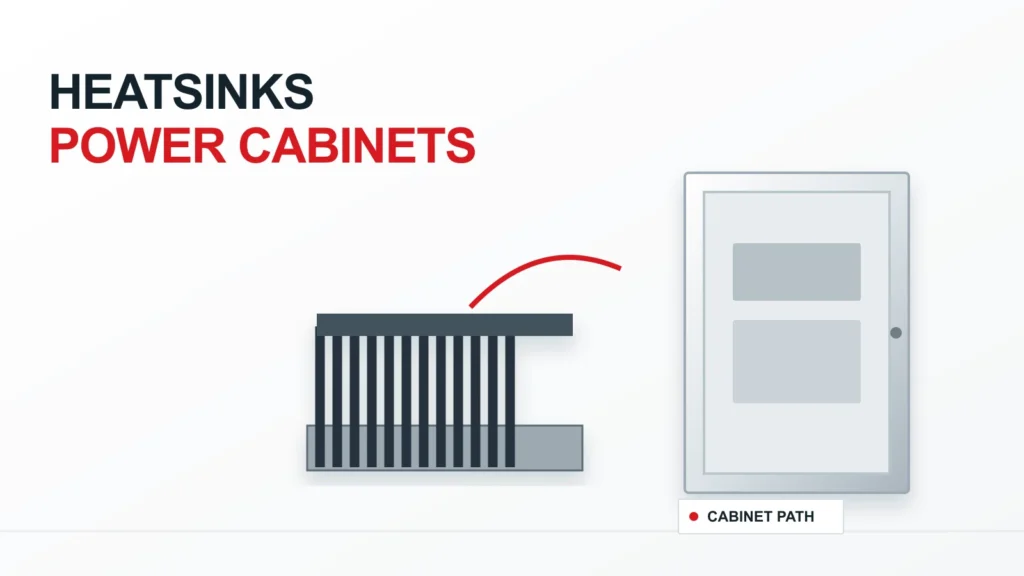
Plan the semiconductor-to-air thermal path for rectifier and power-control cabinets using exact loss, interface and airflow evidence.
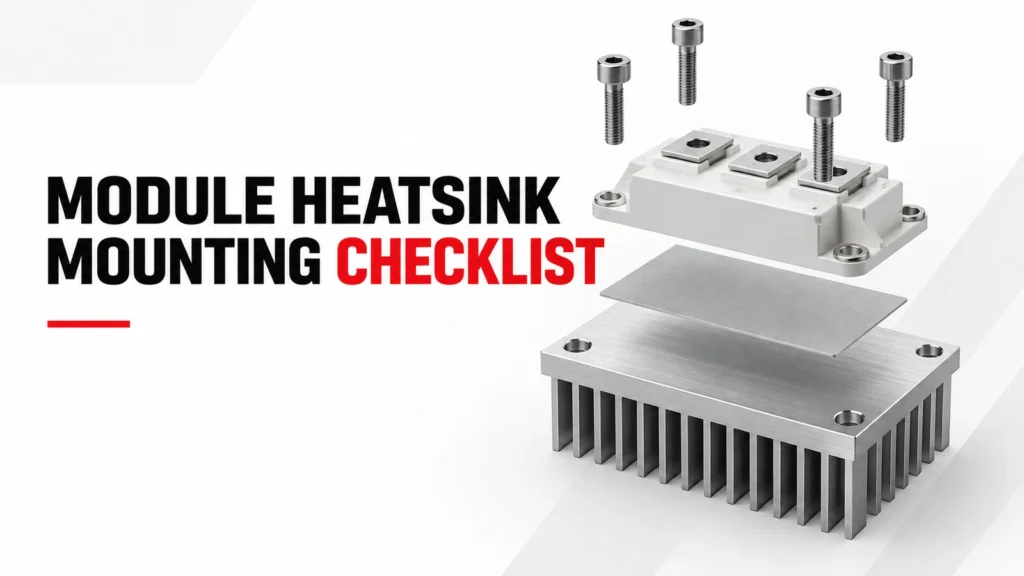
Review module-to-heatsink mounting through exact drawings, interface, flatness, fastening, insulation, thermal calculation and assembled verification.