
Low-Side vs High-Side Shunt Measurement: Check Common-Mode Limits
Map differential signal, input reference potentials, isolation boundaries and current coverage before choosing a shunt location.

Map differential signal, input reference potentials, isolation boundaries and current coverage before choosing a shunt location.
Calculate shunt element loss, then keep mounting, derating, temperature and measurement evidence separate before accepting the installation.

Budget requests, responses, device delays and failed-node handling separately from measurement update time. Preserve data age and quality across the gateway and platform.
Keep remote disconnect requests, protocol responses and switching-state evidence separate, then document interruption handling and reconnection authority.
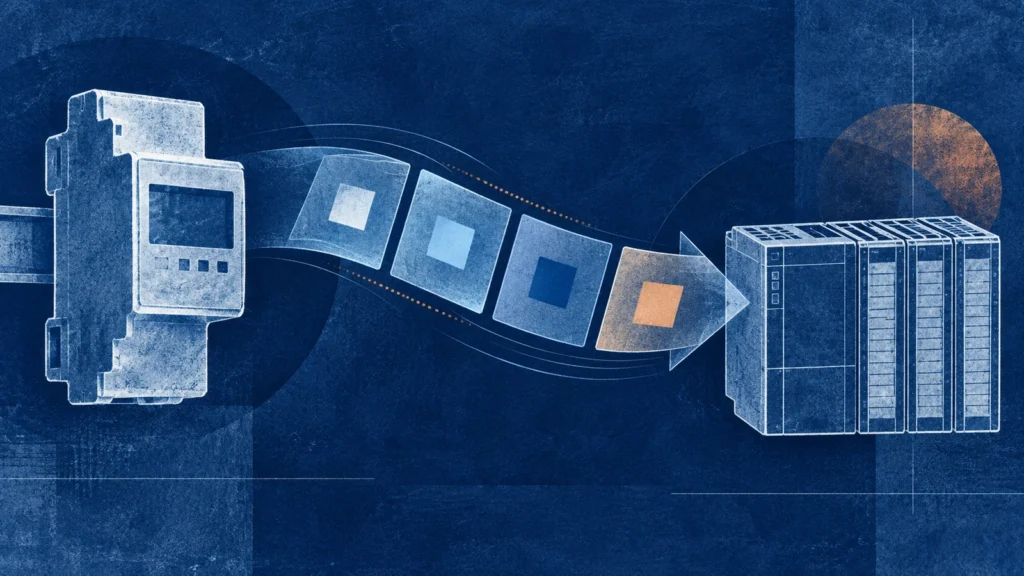
Preserve raw registers and check the exact map, address convention, data type, word order and scale before accepting an energy-meter value.
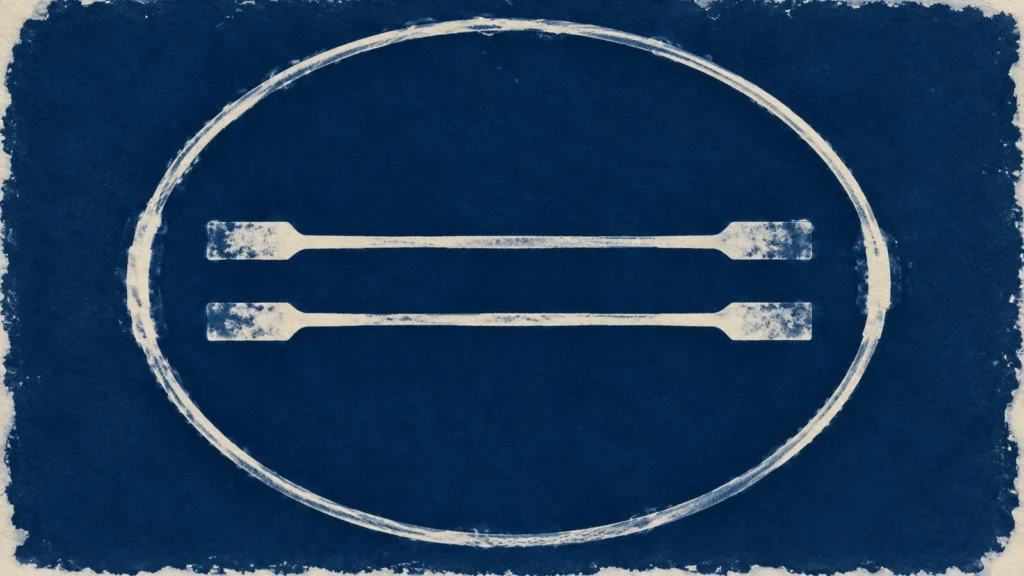
Distinguish same-phase parallel conductors from outgoing and return paths. Define the signed enclosed waveform before interpreting RMS or choosing an integration chain.
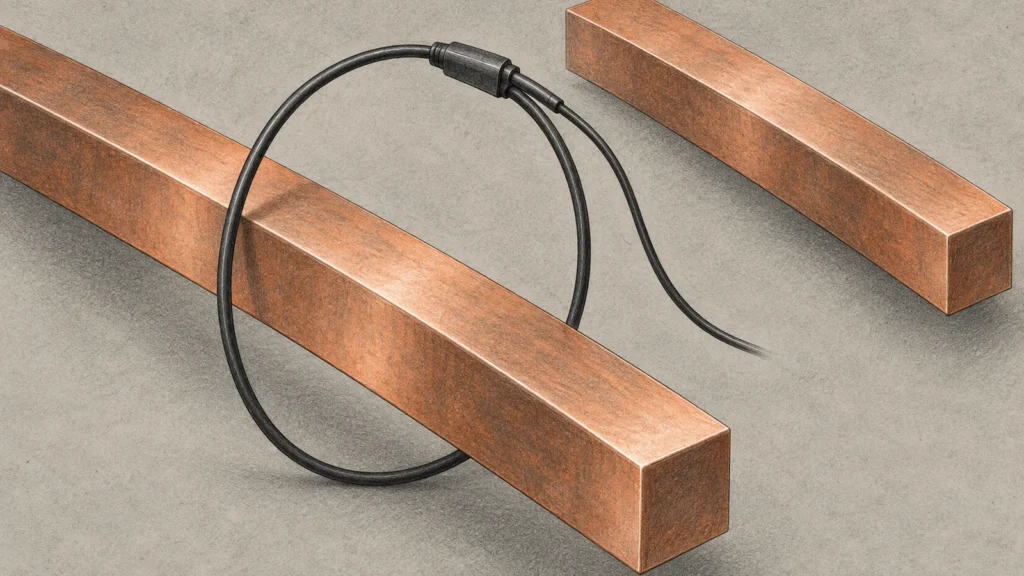
Document the intended conductor, closure, loop position and neighboring conductors before treating a fitted coil as an accepted measurement arrangement.
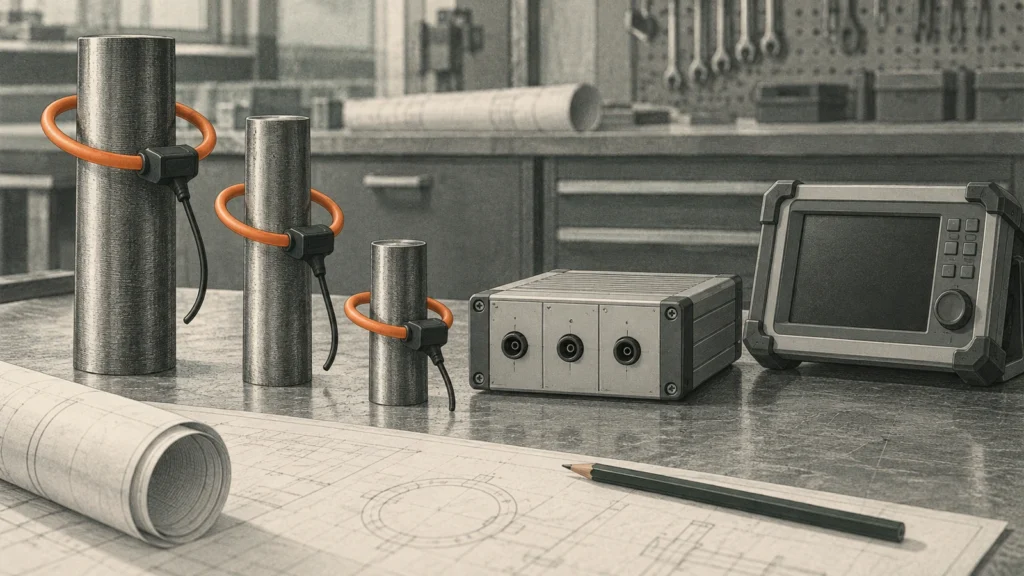
Trace each conductor, coil, integrator channel and receiving input. Keep direction, scaling and voltage-reference pairing separate from plausible display readings.
Match exact DC disconnector withstand conditions with the protection clearing assessment without confusing Icw with fault interruption.

Review exact fuse, base and conductor interfaces, connection instructions and replacement limits before approving a square-body DC fuse assembly.