
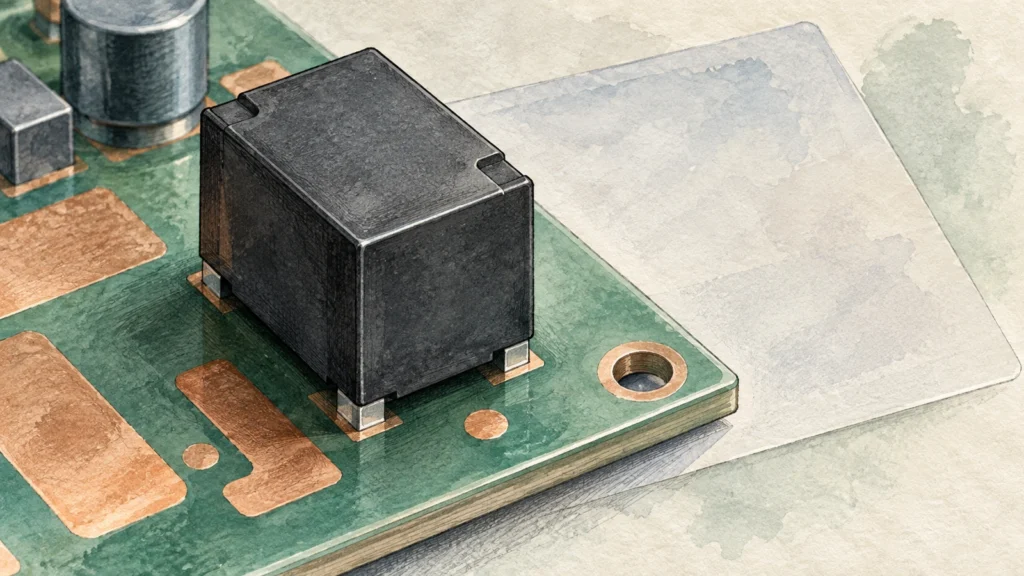
PCB-Mount SSR Thermal Design: Checking Board and Ambient Limits
Separate an SSR current rating from board-level thermal acceptance. Request exact mounting, derating, local ambient and duty evidence for the actual controller assembly.

Separate an SSR current rating from board-level thermal acceptance. Request exact mounting, derating, local ambient and duty evidence for the actual controller assembly.
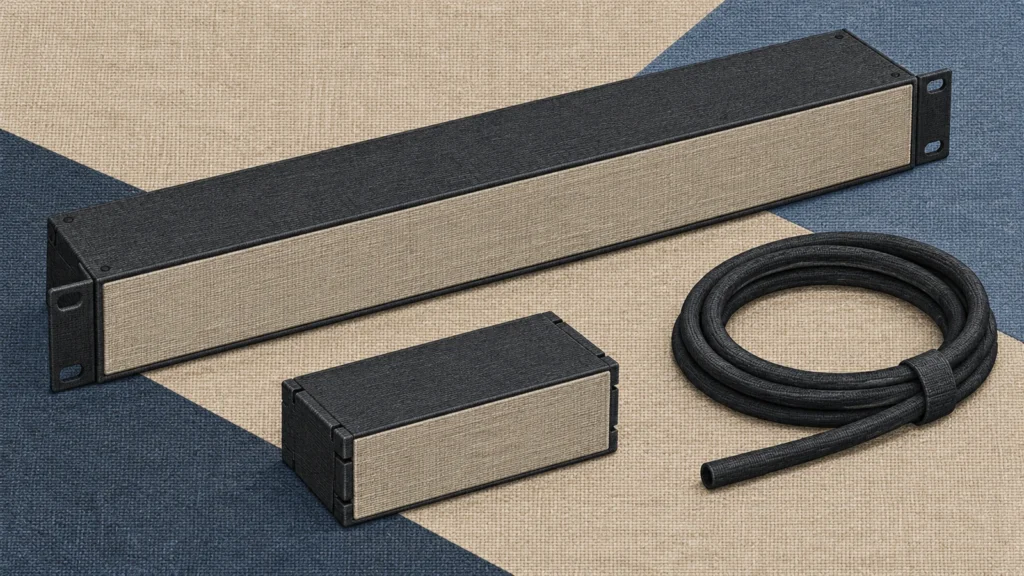
Physical fit is only one check. Keep exact connector identity, voltage and frequency, protective earth, ratings and complete-PDU destination evidence separate.
Plan dependencies and electrical suitability separately. Confirm power-return, commanded startup and reboot behavior for the exact switched PDU configuration.
Connect the intended equipment to its exact feed, PDU and outlet before an authorized remote power cycle. Keep control responses and service recovery evidence separate.
Reconcile the source, distribution drawing and equipment input. Keep nominal voltage, polarity, source bonding, internal return and protective earth distinct.
Connect each installed branch protector to DC rating conditions, source fault duty, conductors and assembly evidence. Check backup capability and selectivity separately.
Match the water conditions at the cabinet inlet to the offered heat exchanger’s air, water and flow rating conditions. Keep output evidence and condensation review distinct.
Match required exchanger flow with the actual branch’s resistance evidence and available differential pressure. Distinguish requirements, predictions and accepted observations.
Keep cold-start current and its time basis separate from normal operation. Obtain the exact heater and thermostat documents before accepting a control-contact pairing.

Compare PTC heater air-movement architectures against the actual tall-cabinet layout and operating cases. Equal output labels do not establish equal temperature distribution.