
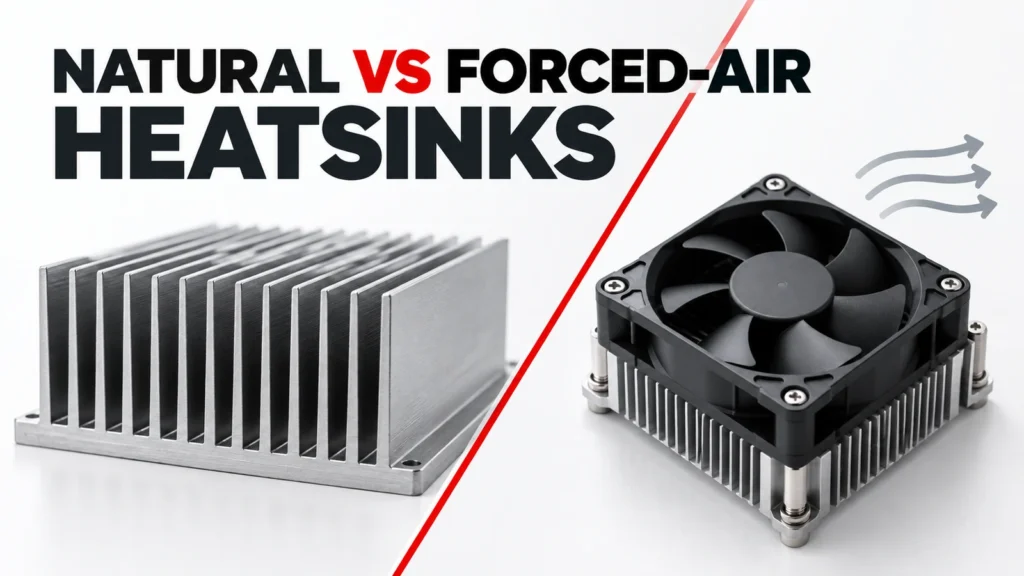
So sánh giữa tản nhiệt đối lưu tự nhiên và tản nhiệt cưỡng bức cho các mô-đun nguồn
Compare natural-convection and forced-air heatsinks by device loss, thermal path, real airflow and assembly testing.

Compare natural-convection and forced-air heatsinks by device loss, thermal path, real airflow and assembly testing.
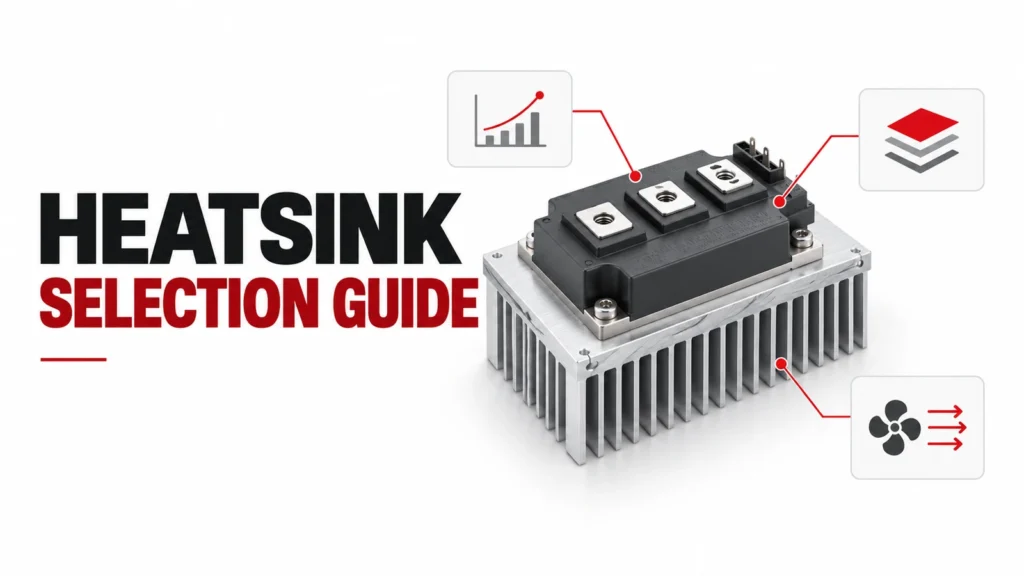
Select a power-module heatsink from verified semiconductor loss, thermal path, ambient conditions, airflow, mounting and exact performance evidence.
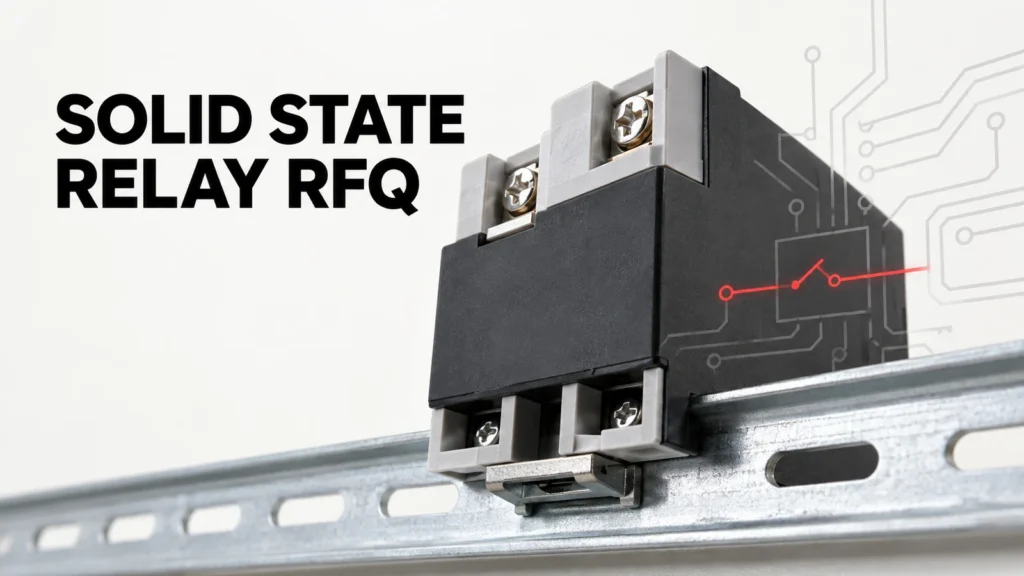
Request an SSR with load, control input, switching mode, leakage, thermal installation and fault-protection conditions clearly specified.
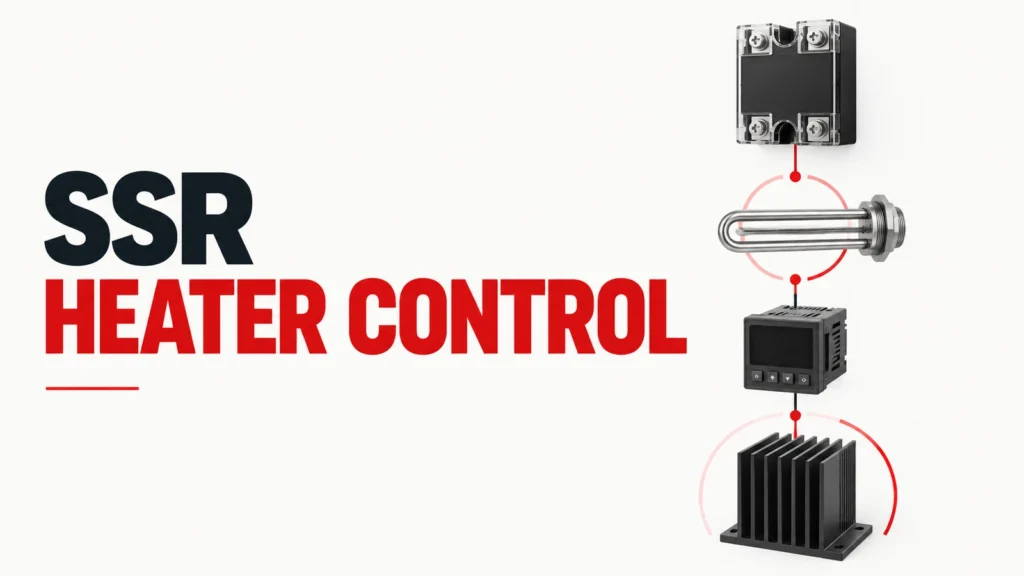
Define load, control, switching, thermal, protection and service inputs before reviewing an SSR for industrial heater control.
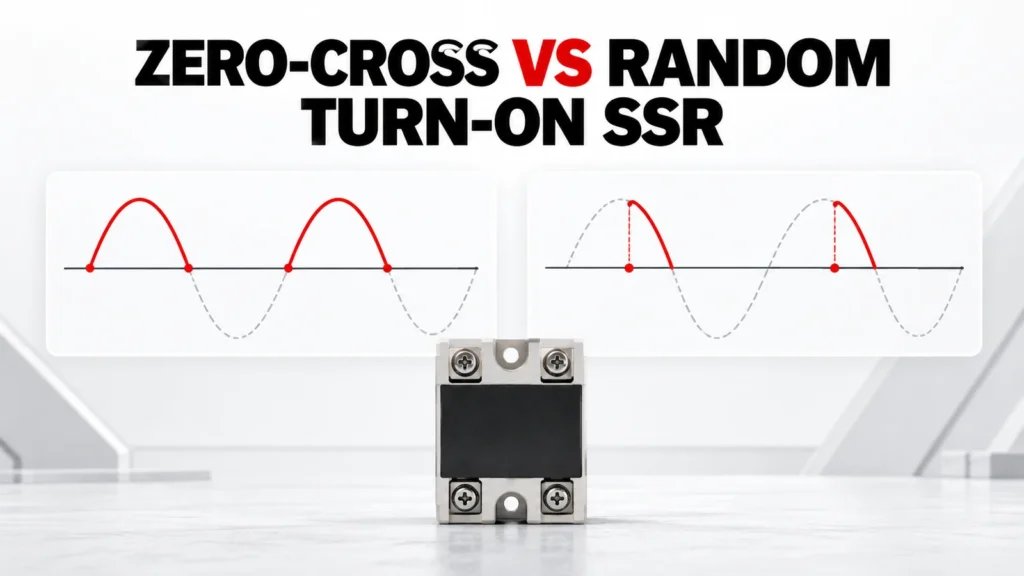
Compare zero-cross and random-turn-on solid state relays by load behavior, control objective, switching timing, thermal design and exact-model evidence.
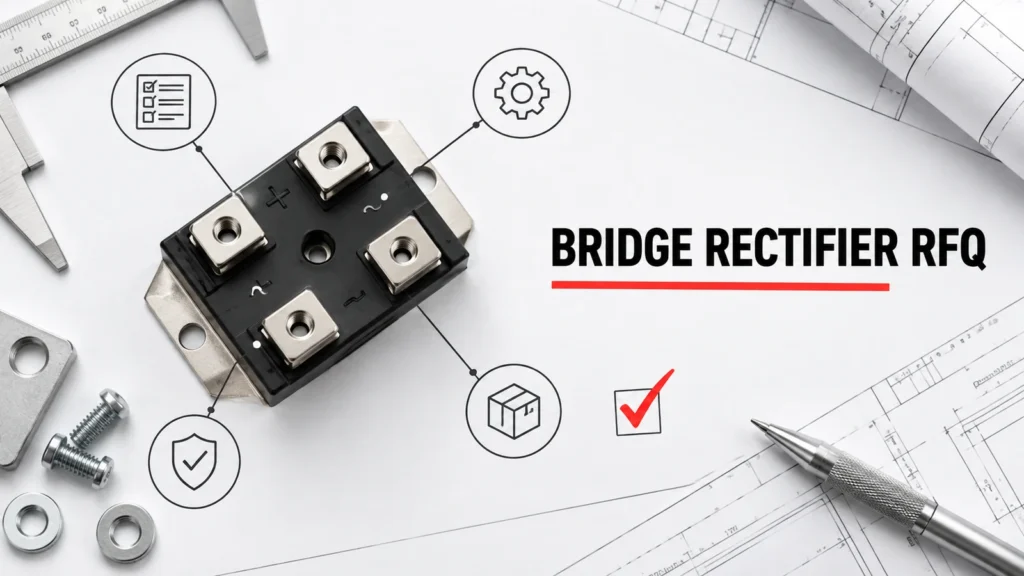
A practical bridge rectifier module RFQ checklist covering phase topology, voltage, waveform, surge duty, heatsink, pinout and exact-model evidence.

Đánh giá mô-đun cầu chỉnh lưu dòng điện cao thông qua các yếu tố: dạng sóng, tổn thất, đường dẫn nhiệt, các cực, thanh dẫn, cơ chế bảo vệ và bằng chứng từ mô hình chính xác.
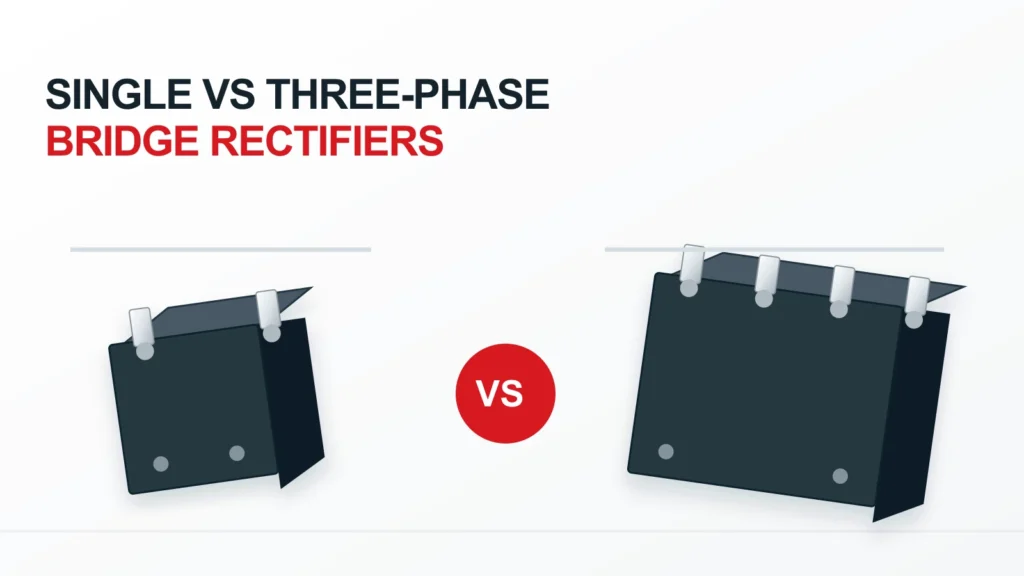
Mô-đun chỉnh lưu cầu một pha so với ba pha. Hãy xem xét các thông số đầu vào của ứng dụng, tài liệu mô hình chi tiết và các câu hỏi trong yêu cầu báo giá (RFQ) trước khi lựa chọn mô-đun chỉnh lưu cầu.
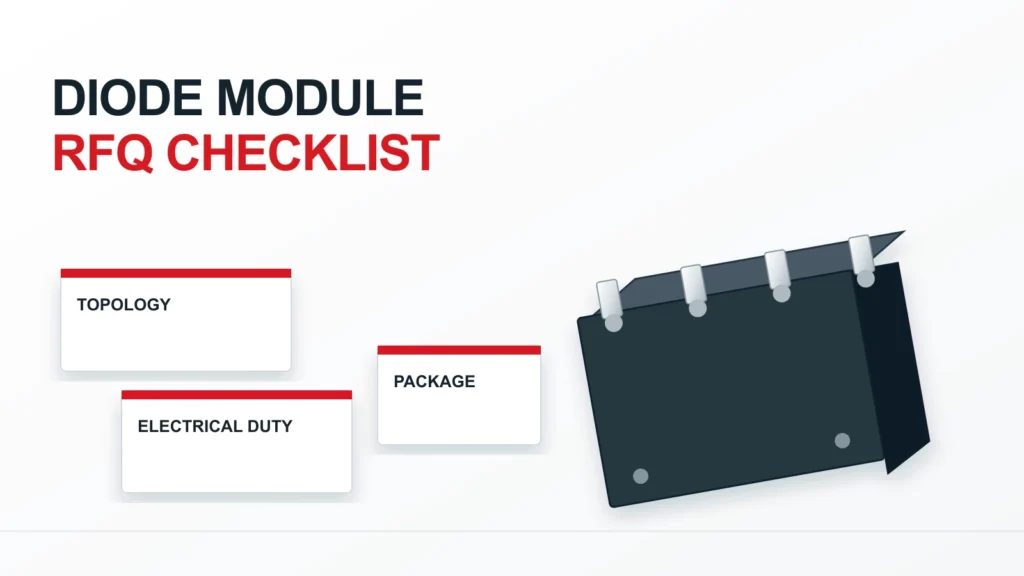
Hãy chuẩn bị bản yêu cầu báo giá (RFQ) cho mô-đun đi-ốt, bao gồm cấu trúc mạch, tỷ lệ chu kỳ điện áp và dòng điện, kiểu vỏ, dữ liệu nhiệt và các tài liệu cụ thể.
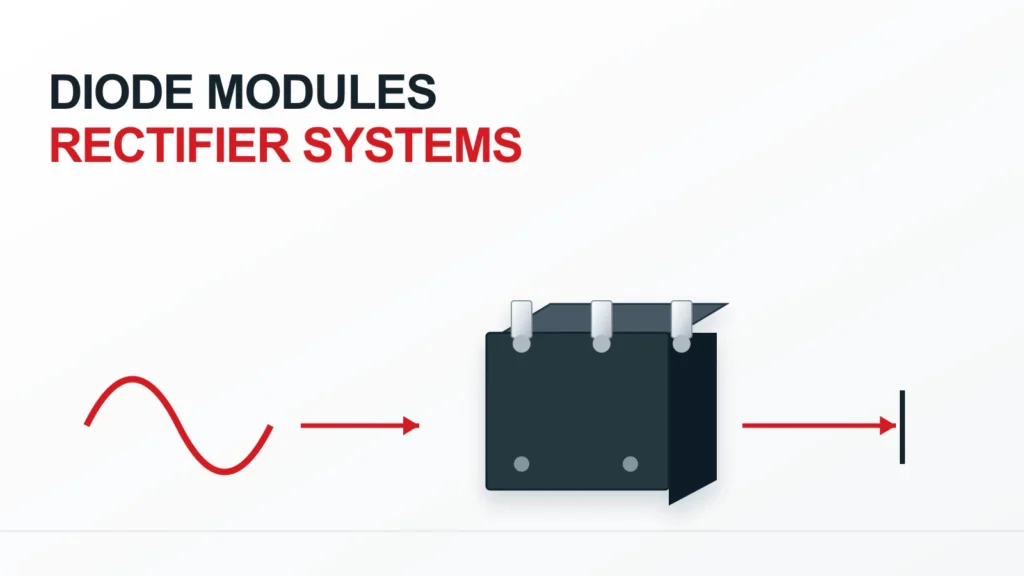
Xem xét các mô-đun đi-ốt trong hệ thống chỉnh lưu theo cấu trúc mạch, mức điện áp, dạng sóng, tổn hao và các bằng chứng về khả năng tản nhiệt.