
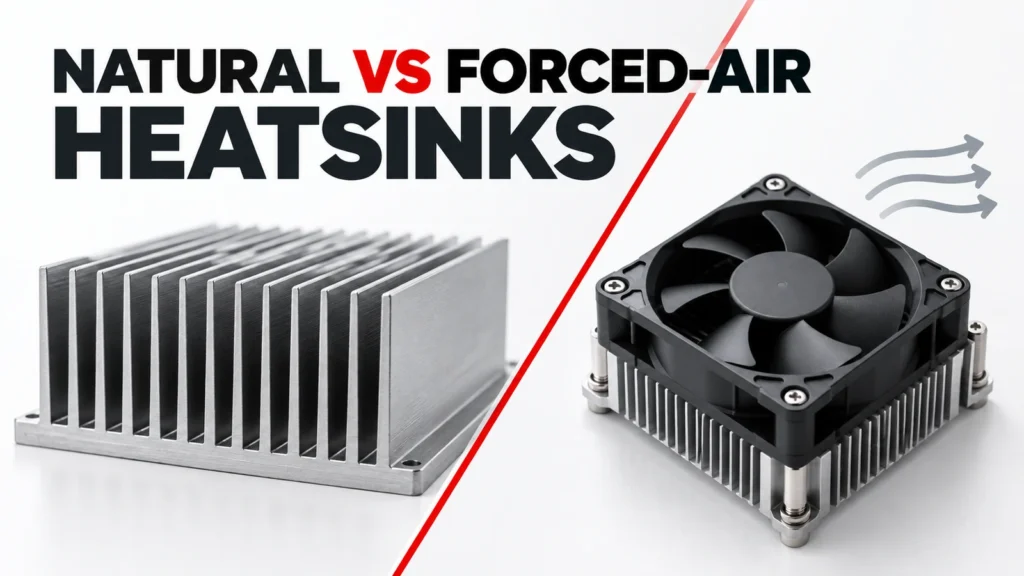
Natural-Convection vs Forced-Air Heatsinks for Power Modules
Compare natural-convection and forced-air heatsinks by device loss, thermal path, real airflow and assembly testing.

Compare natural-convection and forced-air heatsinks by device loss, thermal path, real airflow and assembly testing.
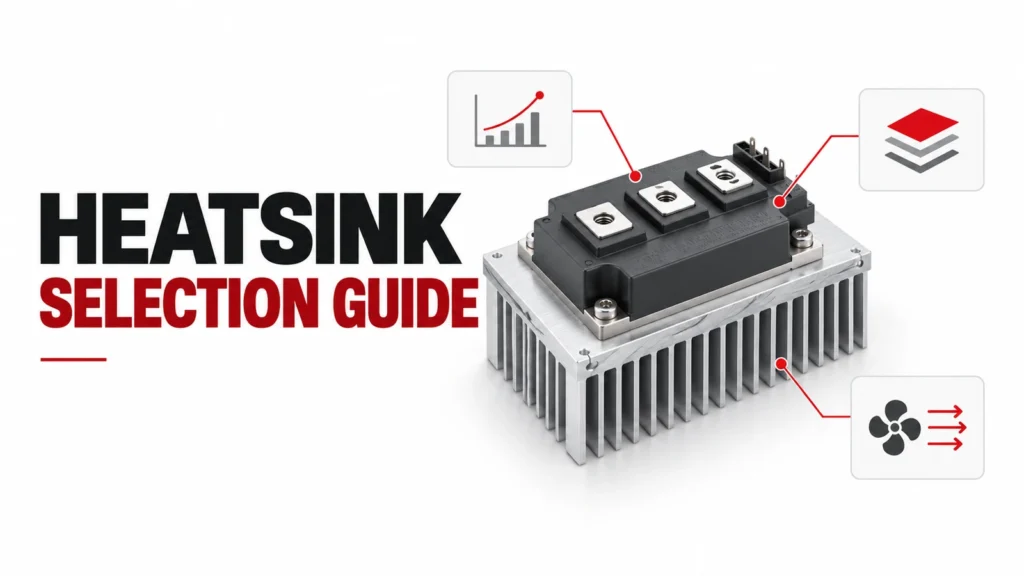
Select a power-module heatsink from verified semiconductor loss, thermal path, ambient conditions, airflow, mounting and exact performance evidence.
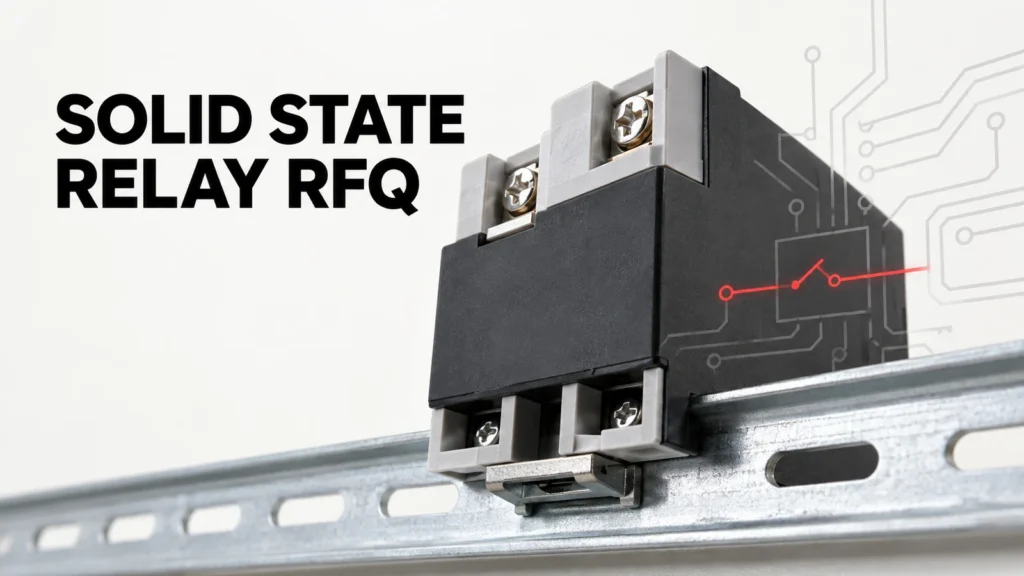
Request an SSR with load, control input, switching mode, leakage, thermal installation and fault-protection conditions clearly specified.
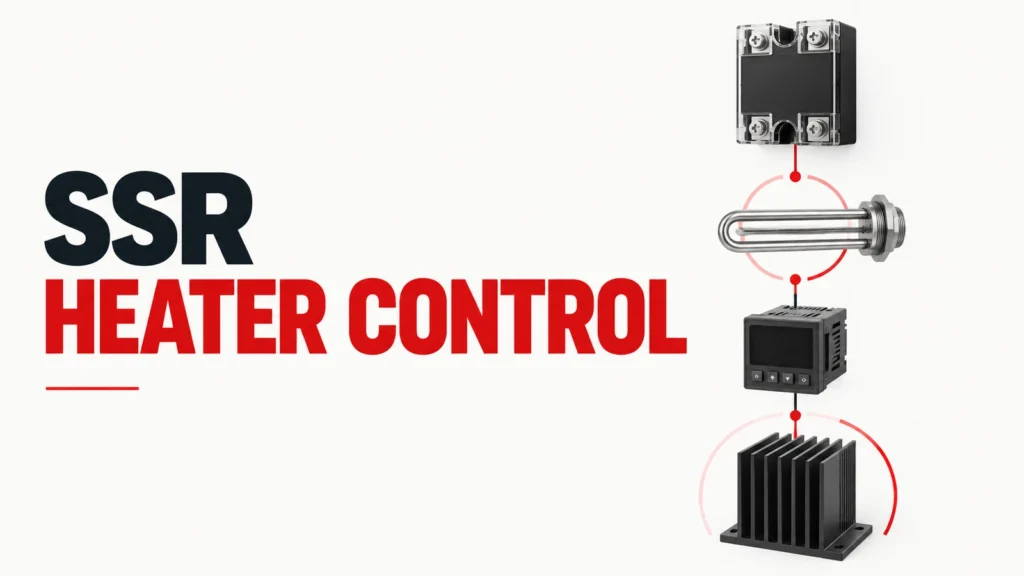
Define load, control, switching, thermal, protection and service inputs before reviewing an SSR for industrial heater control.
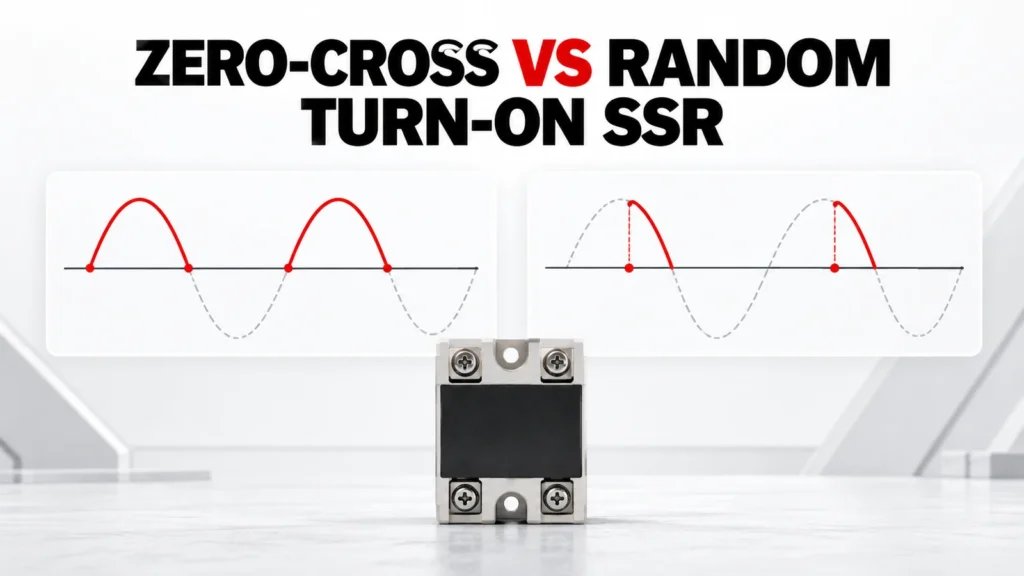
Compare zero-cross and random-turn-on solid state relays by load behavior, control objective, switching timing, thermal design and exact-model evidence.
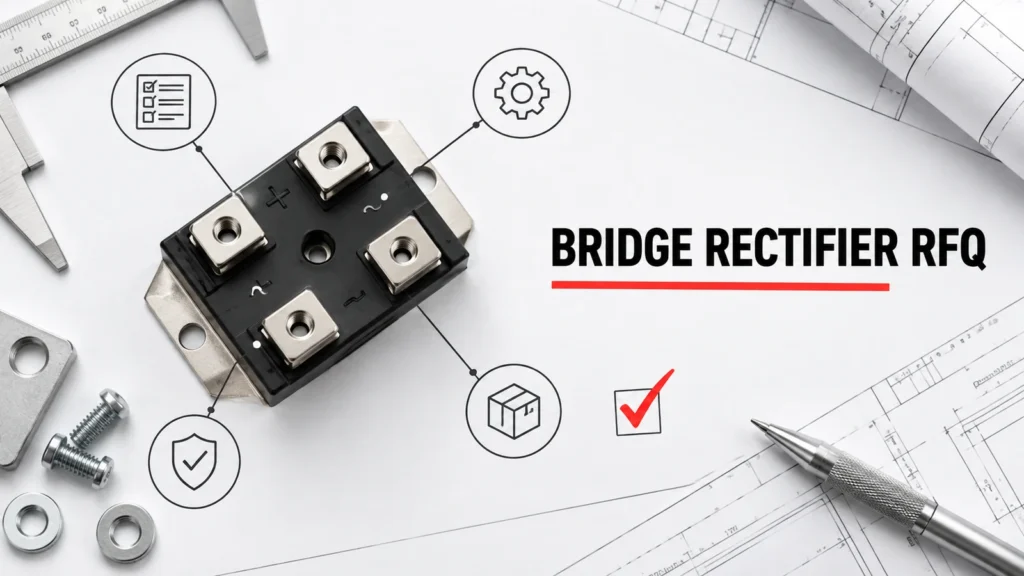
A practical bridge rectifier module RFQ checklist covering phase topology, voltage, waveform, surge duty, heatsink, pinout and exact-model evidence.
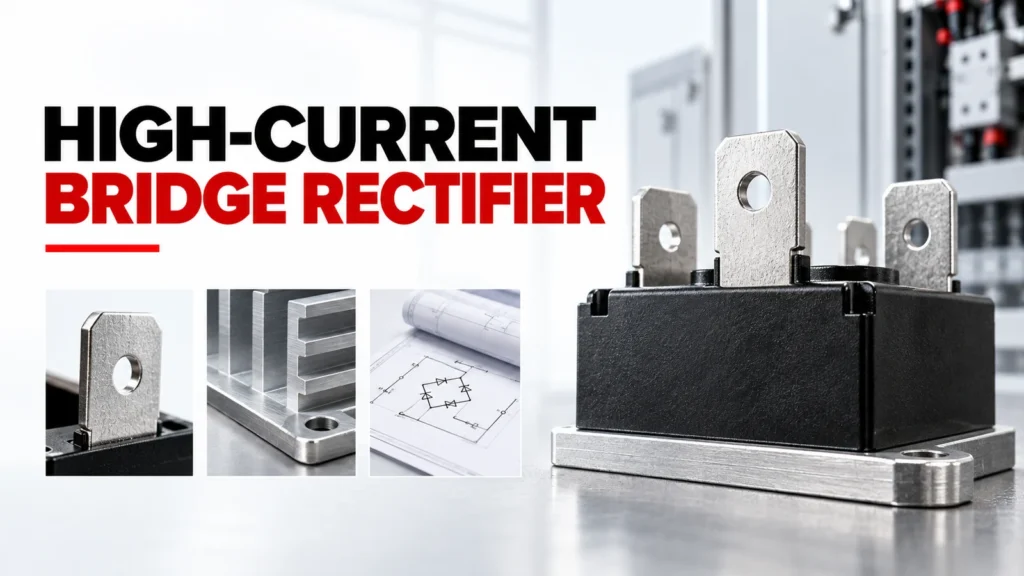
Bewerten Sie ein Hochstrom-Brückengleichrichtermodul anhand von Wellenformen, Verlusten, Wärmepfaden, Anschlüssen, Sammelschienen, Schutzmaßnahmen und den Ergebnissen des exakten Modells.
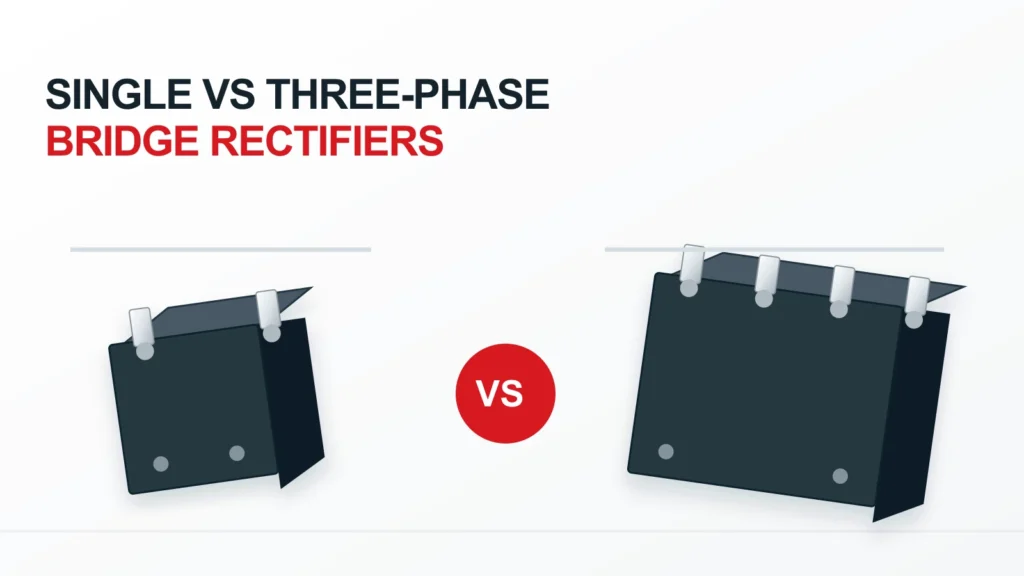
Einphasige vs. dreiphasige Brückengleichrichtermodule. Prüfen Sie die Anwendungsdaten, die Unterlagen zu den genauen Modellen und die Fragen in der Angebotsanfrage, bevor Sie sich für Brückengleichrichtermodule entscheiden.
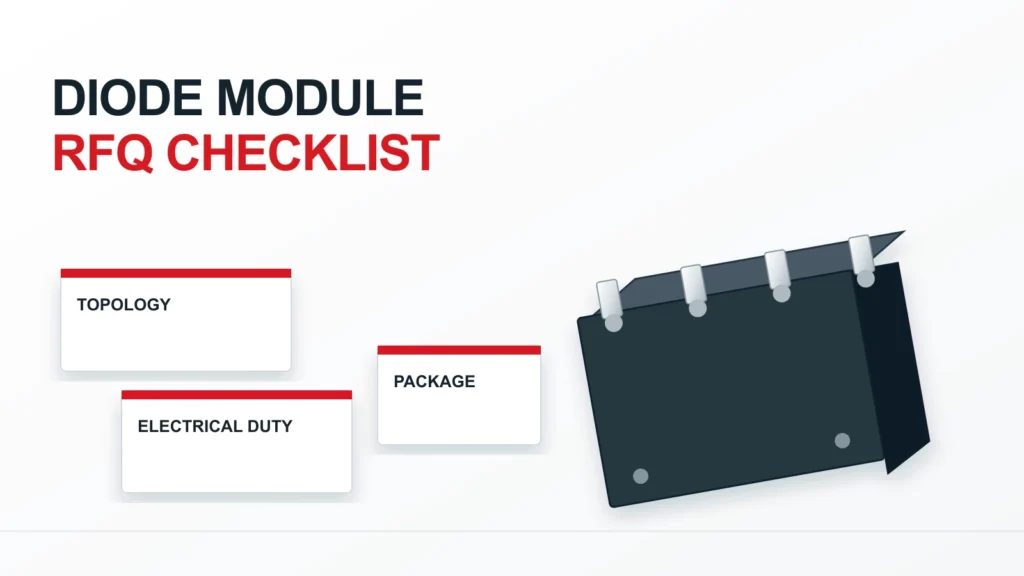
Erstellen Sie eine Angebotsanfrage für ein Diodenmodul mit Angaben zur Schaltungstopologie, zu Spannungs- und Stromkennlinien, zum Gehäuse, zu den thermischen Daten sowie mit den entsprechenden Unterlagen.
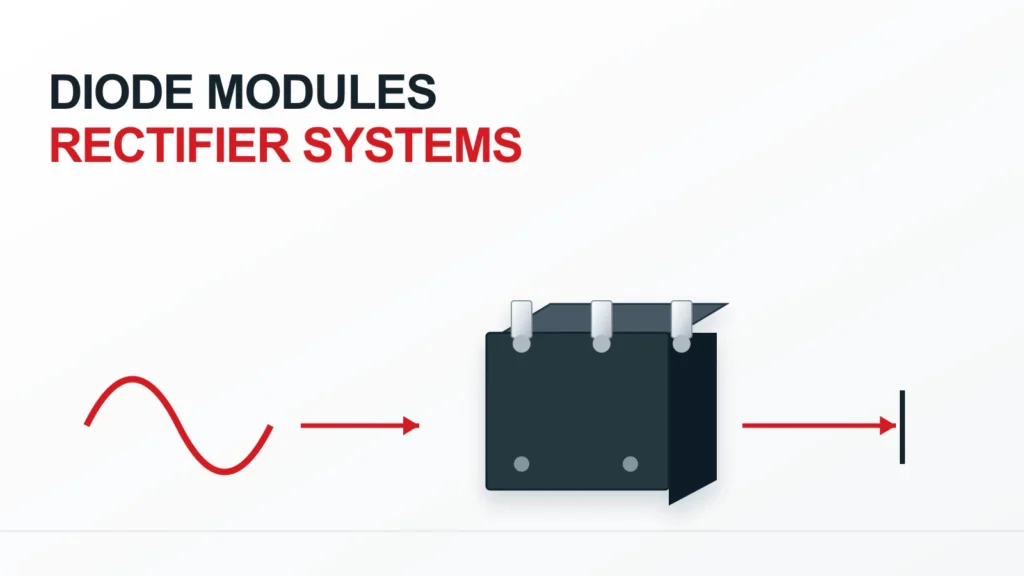
Untersuchen Sie Diodenmodule in Gleichrichtersystemen hinsichtlich Schaltungstopologie, Spannungsbelastung, Wellenform, Verlusten und Kühlungsnachweisen.