
إدارة الحرارة · شرح تقني
Thermal Management for Outdoor Electrical Cabinets
Thermal Management for Outdoor Electrical Cabinets starts with the system question: Which solar, ambient, ingress and duty conditions change the approach? A useful selection brief connects the equipment duty, installation and receiving system to a specific orderable product. The article below separates project inputs from product evidence so that a familiar product name does not quietly become a technical approval.
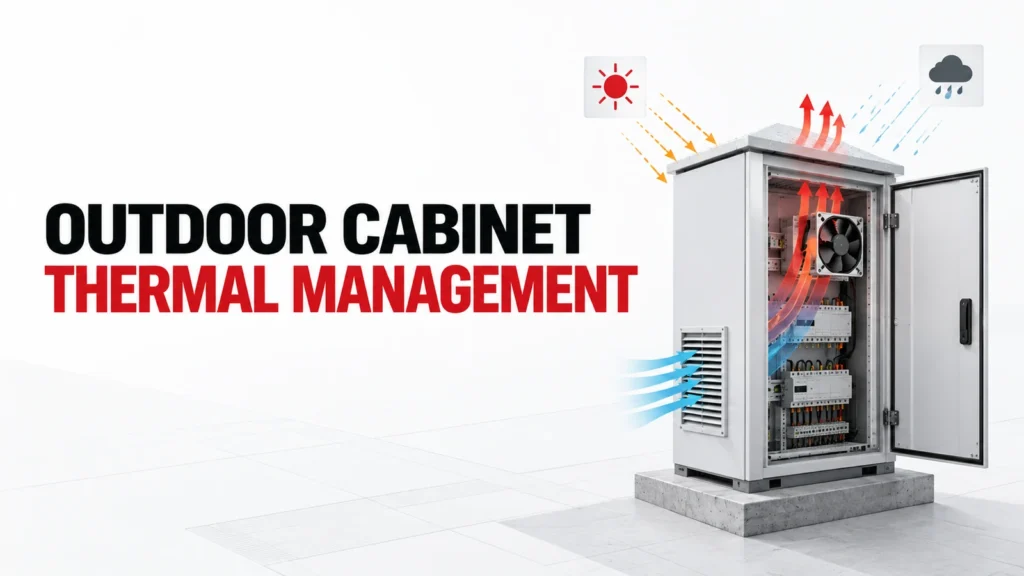
This guide defines outdoor cabinet thermal inputs and solution roles. It does not claim that an indoor-rated air conditioner, fan or heater is suitable outdoors; suitability must be established for the exact product and assembled enclosure.
نظرة عامة على مدخلات القرار
| مجال المراجعة | مدخلات المشروع | الأدلة المطلوب تقديمها |
|---|---|---|
| SOLAR GAIN | تحديد الحالة التشغيلية الفعلية وحدود النظام | رسم تخطيطي معتمد للنظام أو سجل المهام |
| DEVICE LOSSES | اسم الواجهة أو الشكل الهندسي أو التوقعات المتعلقة بعناصر التحكم | وثيقة دقيقة خاصة بالمعدات أو المنتجات |
| AMBIENT | حالة البيئة وحالة التركيب | رسم الموقع أو اللوحة |
| DUTY | وصف متطلبات الخدمة والقبول | التعليمات الدقيقة وخطة الاختبار |
Outdoor exposure changes the problem
An outdoor electrical cabinet sees the heat produced by its own equipment and the conditions surrounding the enclosure. Sunlight, ambient temperature, wind, rain, dust and duty cycle can change across the day and season. A cooling method selected from an indoor cabinet example may not address these combined conditions.
The first deliverable is a site and equipment profile, not a model number. Record cabinet location, orientation, shade, material, dimensions, internal losses and acceptable component temperatures. Identify the limiting operating state so the selected approach is evaluated against a real case rather than a comfortable average.
Account for solar and external heat
Solar gain can warm a cabinet wall and raise the thermal burden, particularly when exposed surfaces and internal components are close. The effect depends on orientation, color, shading and local weather. Request a project-specific assumption or measurement rather than applying a universal percentage to every enclosure.
Nearby process equipment, ground surfaces and trapped air can also affect local ambient. Record the temperature at the cabinet installation, not only a regional weather headline. If the cabinet will be relocated or installed in multiple climates, define a separate design envelope for each case.
Map internal losses and operating states
Create a heat-load list for drives, power supplies, contactors, communication devices and other installed equipment using applicable exact data. Include continuous and intermittent duty, standby states and any future equipment that is actually committed to the design. A device’s electrical input is not necessarily its heat loss inside the cabinet.
Place major heat sources on the layout. Component separation, airflow path and sensors influence local hot spots even when the total loss is unchanged. Where supplier loss data is missing, mark the estimate as provisional and identify the test or document needed to close it.
Choose between exchange and isolation of air
Filtered ventilation exchanges internal and outside air. It may be suitable only when external air conditions and ingress needs allow it, and when the achievable temperature condition meets component limits. A heat exchanger or air conditioner can maintain a more controlled boundary, but each has its own ambient, mounting, drainage, power and maintenance requirements.
Do not treat a cabinet fan as a universal outdoor solution or an air conditioner as an automatic answer. Compare the selected method with dust, water, corrosive exposure and the enclosure’s required protective function. Verify the rating of the assembled installation, including penetrations and accessories.
Separate overheating from condensation control
An enclosure can have a moisture problem when surfaces cool below the relevant dew point, even if it does not overheat. A heater may support condensation control in defined conditions, but it adds heat and requires controls. A cooling device may also have condensate behavior that must be handled. The two objectives should be written separately.
Record humidity conditions, off-cycle periods, ventilation openings and drain strategy. Ask which device handles each operating state and how sensors are placed. Do not infer that a product labeled “heater” or “cooler” solves both problems without a complete control and environmental design.
Check product location and assembly rating
An indoor air conditioner is not made outdoor-suitable by mounting it on an outdoor cabinet. Require the exact device environmental rating, installation orientation, sealing instructions and exposure limits. The same review applies to fans, filters, heaters, thermostats, cable entries and doors.
The enclosure’s protective function belongs to the assembled result. Cutting an opening, adding a cooling unit or changing a gasket can alter that result. Preserve the approved cutout drawing and mounting instructions, then inspect the built cabinet for the same arrangement.
Plan maintenance in the real location
Outdoor cabinets may be remote, elevated or difficult to service. Define filter cleaning, fan replacement, condensate management, sensor checks and access clearance before the equipment is ordered. A method that works in a laboratory but cannot be maintained at the site may not be the right choice.
Where cooling depends on power or moving parts, define alarm and failure response. The project should identify which electrical loads remain active, what the controller does and how the operator learns of a fault. Record the selected behavior in commissioning tests.
إنشاء ملف أدلة بنموذج دقيق
For the proposed Enclosure Cooling Strategy, create one approval record with the complete order code, the exact datasheet, the relevant drawing, installation instructions and any curve or test report used for the decision. Date each file or record its revision. A product-family page is useful for discovery, but it does not prove that a particular configuration includes an optional feature or meets a system condition.
قارن كل متطلب مع الأدلة المتعلقة بنفس العنصر القابل للطلب. لا تدمج الحد الأقصى للفئة الخاص بإحدى المتغيرات مع مخطط الدائرة الكهربائية أو قائمة الملحقات أو المنحنى الحراري الخاص بمتغير آخر. ضع الحقول التي لم يتم حسمها في عمود توضيحي مرئي. إذا اقترح المورد بديلاً، فكرر المراجعة المتعلقة بالجزء المعني قبل الموافقة على معادلته التقنية.
افصل مدخلات المشروع عن مطالبات الموردين
يتولى فريق المشروع مسؤولية سجل التطبيق: التغذية والتحميل، وحالات التشغيل، والبيئة، والتركيب، وعناصر التحكم، ومعايير الخدمة والقبول. أما المورد فيتولى مسؤولية رمز الطلب المقترح والأدلة الداعمة الخاصة بالجهاز. ولا ينبغي لأي من الطرفين سد أي ثغرة بالاستدلال من المظهر أو اسم العائلة المألوف. يمكن أن تكون الإجابة المفيدة هي “البيانات غير متوفرة حتى الآن”، شريطة أن يكون للعنصر المفقود مالك وتاريخ إغلاق.
قم بتجميد تلك السجلات أثناء مقارنة العروض. إذا طرأت تغييرات على المهمة التشغيلية أو الخزانة أو المصدر أو العداد أو المحرك أو بنية الحماية، فقم بإصدار ورقة بيانات مدخلات منقحة واطلب من كل مورد إعادة تأكيد اختياره. وهذا يمنع اعتبار عرض الأسعار المقدم في وقت مبكر بمثابة موافقة على تصميم لاحق.
كيفية مقارنة عروض الموردين
| العنصر المعروض | ما الذي يجب مقارنته | دليل الموافقة |
|---|---|---|
| نطاق الترتيب | الرمز الكامل والملحقات المرفقة | عرض الأسعار الدقيق وقائمة المواد |
| التركيب الكهربائي | جميع حالات التشغيل ذات الصلة | وثيقة التصنيف الدقيق أو الدائرة أو المنحنى |
| التوافق الميكانيكي | التركيب، والمطاريف، والوصول | تعليمات التجميع والتركيب |
| خطة الخدمة | طريقة الفحص والاستبدال | تعليمات الصيانة |
| البنود المعلقة | الافتراضات، والاستثناءات، والحالات الاستثنائية | سجل التوضيحات المكتوبة |
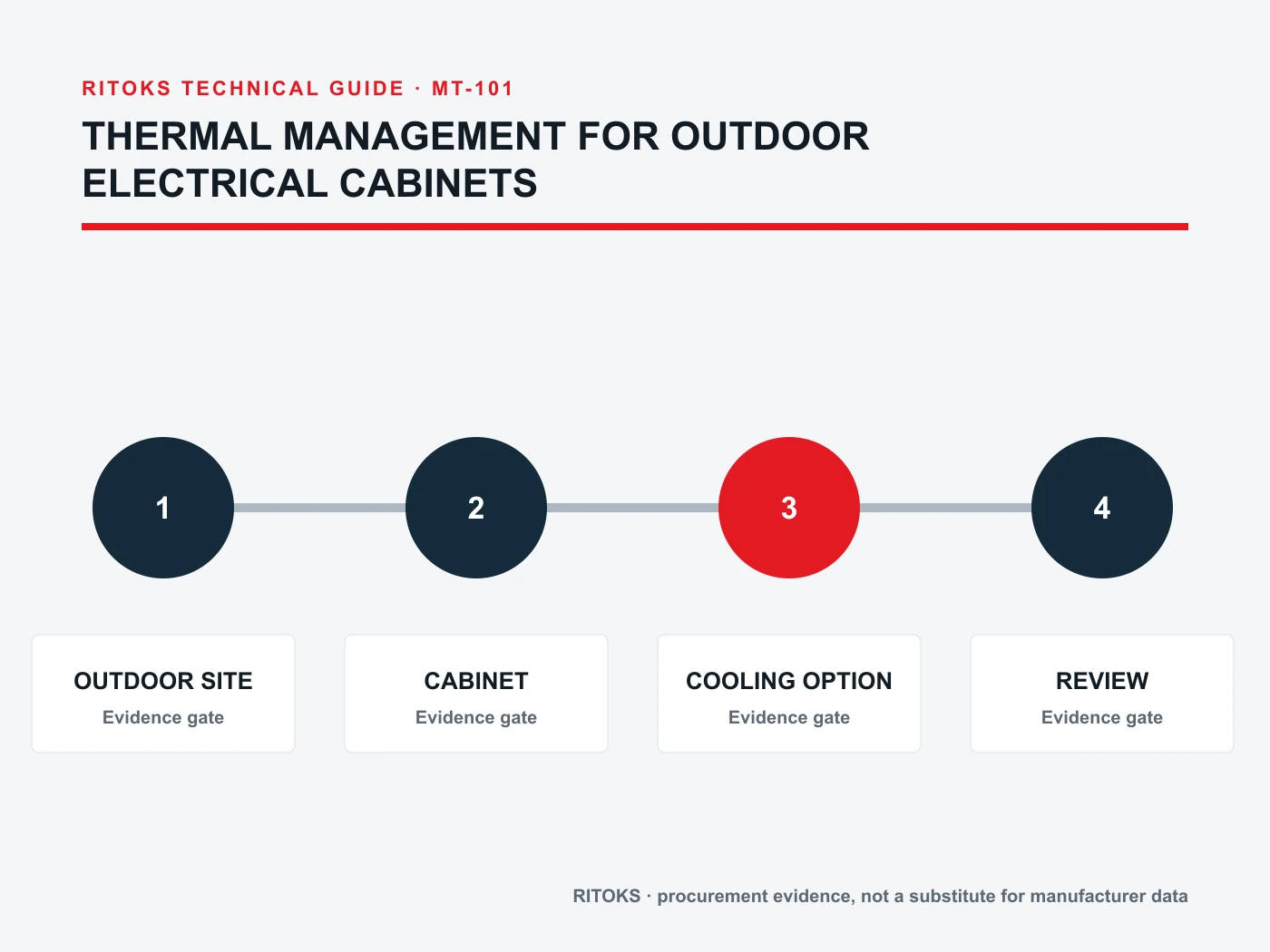
Normalize each Enclosure Cooling Strategy offer to the same application record. A shorter lead time or lower price is meaningful only after the technical scope is comparable. Record whether each supplier included the required accessories, documents and support for commissioning. Keep exceptions explicit, especially when the candidate needs a change to the panel or control design.
نقاط التحقق الخاصة بالمشتريات والتشغيل
- تأكيد حدود النظام وحالات التشغيل ومعايير القبول.
- مراجعة رمز طلب واحد كامل مقارنةً بوثائق الطراز الدقيق.
- معالجة الحالات الاستثنائية المتعلقة بالأنظمة الكهربائية والميكانيكية والبيئية وخدمات الصيانة.
- قارن بين نطاق العمل المُنفَّذ ومراجعات الوثائق في العروض المختلفة.
- قم بمقارنة السلعة المستلمة بالسجل المعتمد.
- اختبر المجموعة النهائية وفقًا للإجراء المعتمد للمشروع.
يجب أن يتضمن فحص الاستلام التحقق من مطابقة الملصقات والمطاريف والملحقات المرفقة والوثائق المُسلَّمة مع الطلب المعتمد. ولا يُقبل تلقائيًّا استبدال المنتج بآخر من نفس الفئة. وعند التشغيل الأولي، يجب التحقق من الوظائف المرتبطة بالتطبيق، والتي لا يمكن التأكد منها من خلال كتيبات المكونات وحدها. وينبغي أن تحدد خطة الاختبار الحالات التمثيلية ومعايير القبول دون وضع حدود عامة.
قائمة مراجعة لإعداد طلب عرض الأسعار
A useful request for quotation on thermal management for outdoor cabinets is concise but complete. Ask for the exact orderable configuration and list unknown values as questions. Do not let the sales description silently answer a technical question that belongs to a calculation, a drawing or a test.
- SOLAR GAIN
- DEVICE LOSSES
- AMBIENT
- DUTY
- INGRESS
- CONDENSATION
- التبريد
- SERVICE
- مراجعات المستندات المعمول بها
- الكمية والوجهة ونطاق التسليم
اطلب من المورد أن يذكر الاستثناءات والافتراضات والبنود الاختيارية بشكل منفصل. احتفظ بسجل التوضيحات الفنية مع عرض الأسعار حتى تتمكن إدارتا المشتريات والهندسة من مراجعة نفس النطاق. إذا كان هناك عنصر أساسي لا يزال مفقودًا، فقد يظل المرشح جذابًا من الناحية التجارية، لكن الموافقة الفنية عليه تظل معلقة.
الأسئلة الشائعة
Can a Enclosure Cooling Strategy be chosen from one headline rating?
لا. يجب مراجعة التطبيق والتكوين الدقيق والظروف الكهربائية والميكانيكية والحرارية والبيئية ذات الصلة معًا. فعنوان الكتالوج هو نقطة انطلاق للاستكشاف، وليس سجلاً كاملاً للموافقة.
هل تُثبت صفحة العائلة وجود صلة قرابة مباشرة أم علاقة جانبية؟
لا. استخدم رمز الطلب المقترح والرسم الحالي الخاص به، وورقة البيانات، وتعليمات التركيب. قد تختلف الميزات الاختيارية أو الترتيبات البديلة للمطاريف داخل نفس العائلة.
ماذا لو تعذر على المورد توفير إحدى القيم المطلوبة؟
ضع علامة على القيمة باعتبارها «غير محسومة»، وحدد الجهة التي ستحصل عليها، وقم بتعليق القرار المتأثر بذلك. لا تحوّل الافتراض إلى ادعاء مؤكد لمجرد اقتراب موعد الشراء.
أين نواصل المراجعة
تصفح Enclosure Cooling Strategy category بالنسبة لمجموعة المنتجات المتاحة، يرجى مراجعة صفحة المنتج ذات الصلة كنقطة انطلاق محتملة. تحدد هذه الصفحات الوجهة التجارية؛ أما الوثائق النموذجية المحددة فهي التي تحدد مدى ملاءمة التطبيق. لإجراء مقارنة خاصة بمشروع معين، يرجى إرسال مدخلات النظام والأسئلة المفتوحة عبر صفحة الاستفسارات الخاصة بـ RITOKS.
إذا تبين بعد مراجعة الأدلة أن جهازًا أو طريقة أخرى تبدو أكثر ملاءمة، فقم بمراجعة موجز التصميم قبل طلب الاستبدال. احرص على أن يظل السجل مرتبطًا بالدائرة والتركيب النهائيين، وليس فقط بمجموعة المنتجات التي لفتت الانتباه في البداية.