
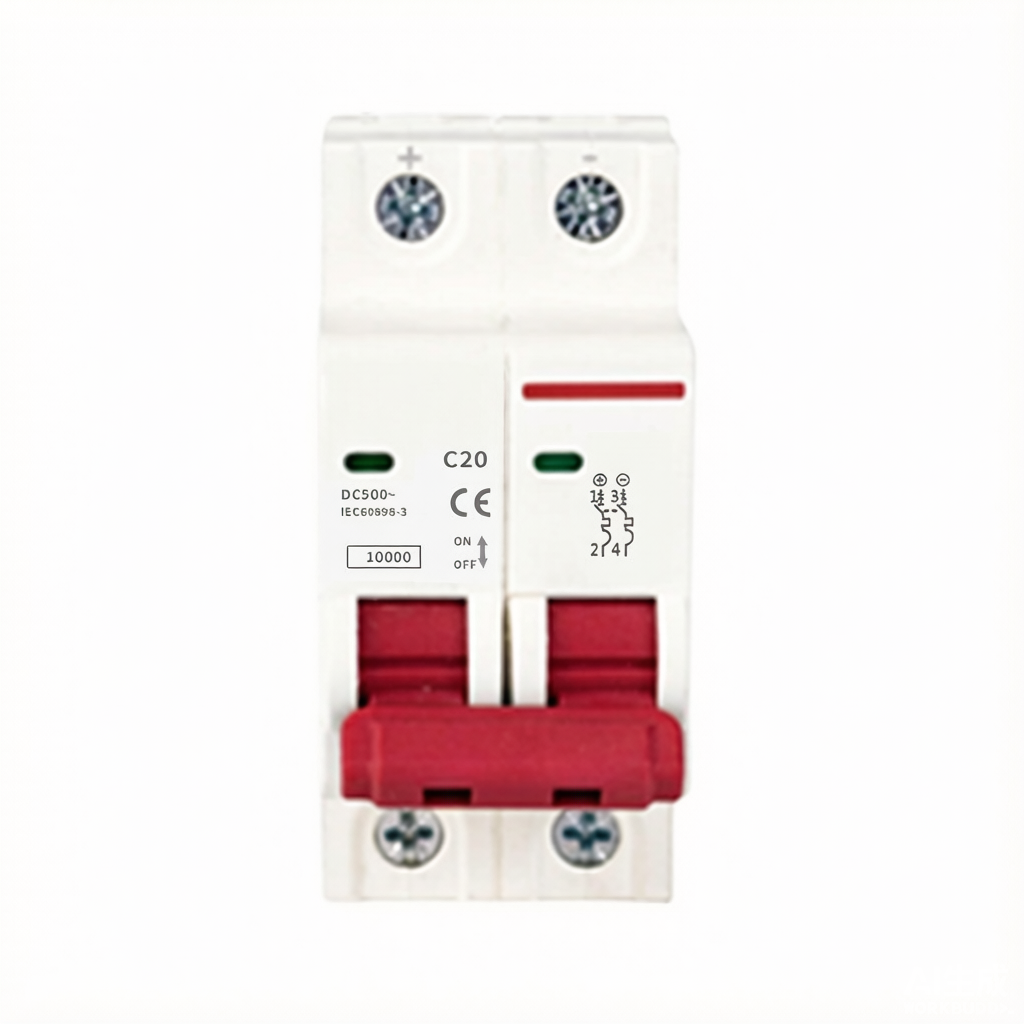
DC Miniature Circuit Breakers (MCB)
Compare the published DIN-rail DC miniature circuit breaker families: RTS-DC63-500, RTS-DC63-1000 and RTS-DC250-125. The listed ranges are DC 500V / 6–63A for RTS-DC63-500, a supplier-listed 500–1000V DC / 6–63A family scope for RTS-DC63-1000, and 12–125V DC / 63–250A for RTS-DC250-125. These family ranges do not establish the ratings of every configuration. Specify the maximum DC voltage, required current, application, quantity and destination country; confirm the exact order code, approved pole wiring and available model-specific documentation before comparing offers. Read the DC MCB breaking-capacity verification guide for the evidence to request before quotation.
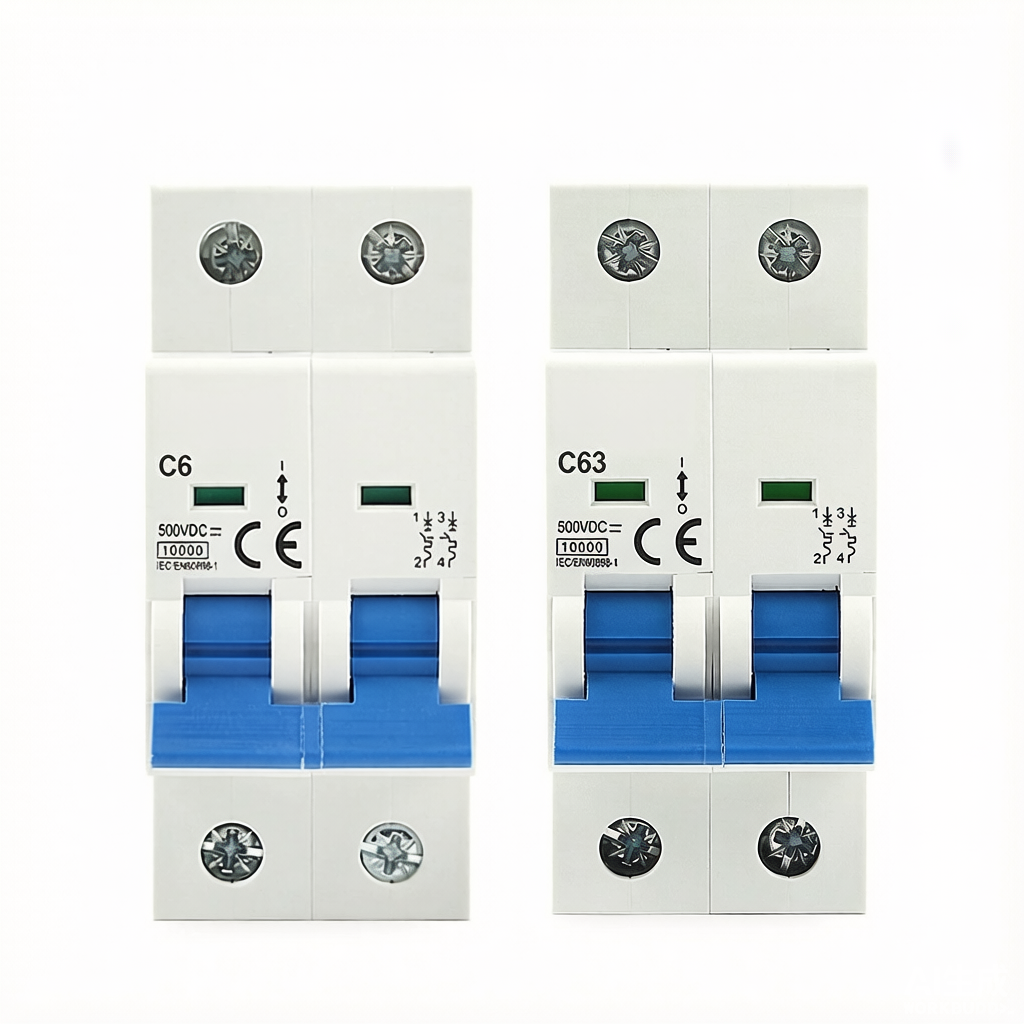
2P DC Miniature Circuit Breaker, 500V, 6-63A
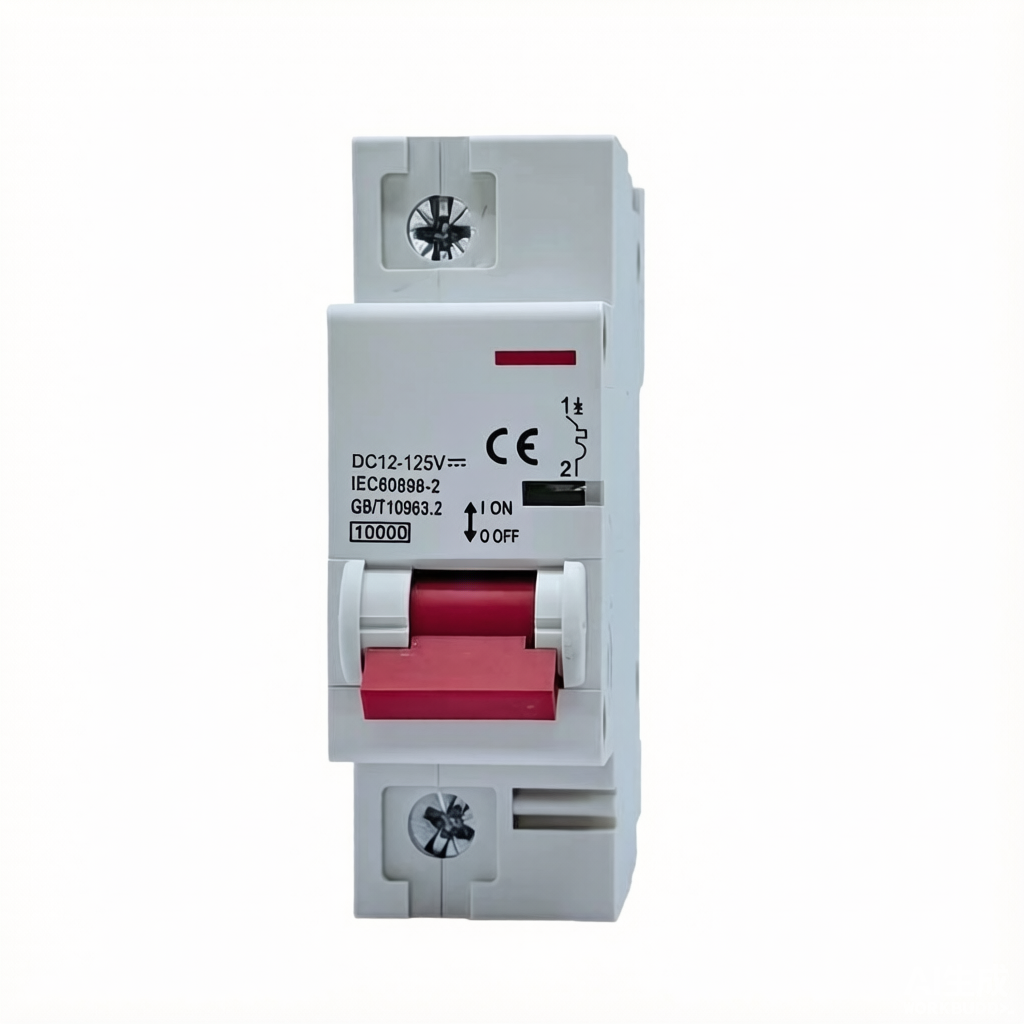
High-Current DC Miniature Circuit Breaker, 12-125V, 63-250A
How to Choose a DC MCB
Start with the maximum DC voltage and the continuous current of the circuit, then check the pole arrangement and the DC breaking capacity documented for the exact model. A DC MCB fits DIN-rail branch circuits in PV combiner boxes, battery cabinets and DC distribution panels. For higher-current feeders, compare the DC MCCB families instead.
What to Confirm Before Ordering
- Maximum system DC voltage, including PV string open-circuit voltage at low temperature where applicable.
- Continuous load current and the required rated current.
- Prospective short-circuit current and the DC breaking capacity required at that voltage.
- Number of poles and the pole-series wiring arrangement shown in the product documentation.
- Polarity, conductor size, mounting method and the standard or approval required for the destination market.
Relevant Resources
Use the DC MCB selection guide, DC MCB breaking-capacity verification, polarized vs non-polarized DC MCBs and the DC MCB RFQ checklist to prepare the inquiry. For project and document review, see how to read a DC MCB datasheet, DC MCB standards and certifications by market, DC MCB installation locations in PV and battery systems and DC MCB wiring polarity and common faults.
Request a DC MCB Quotation
Include the DC voltage, rated current, poles, breaking-capacity requirement, application, quantity and destination.