
Quạt làm mát tủ · Hướng dẫn kỹ thuật
Cabinet Airflow Calculation Inputs: Heat Load, Temperature Rise and Restrictions
Cabinet airflow calculation inputs are often reduced to one fan capacity number. That misses the first engineering task: establish how much heat is produced, which ambient air is available and where that air can travel. A fan moves air through a real enclosure with filters, grilles and obstructions, so the useful result differs from an open-bench rating.
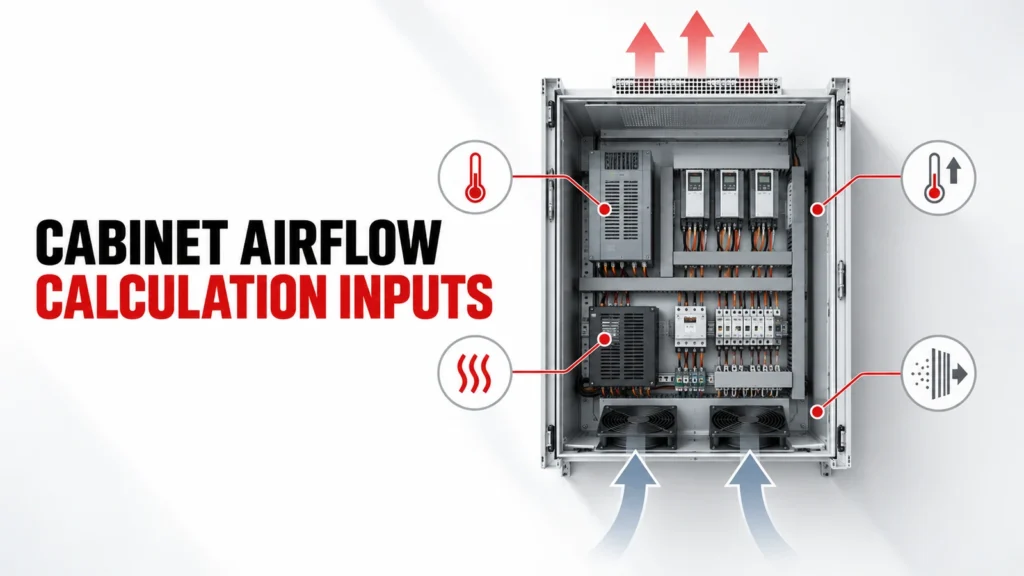
This guide identifies the evidence needed before estimating airflow and comparing fan candidates. It also shows when ventilation is the wrong cooling architecture, such as when ambient air or contamination conditions prevent the intended heat removal.
Tổng quan về các yếu tố đầu vào cho quyết định
| Khu vực đánh giá | Những thông tin mà người mua ghi lại | Chứng cứ cần yêu cầu |
|---|---|---|
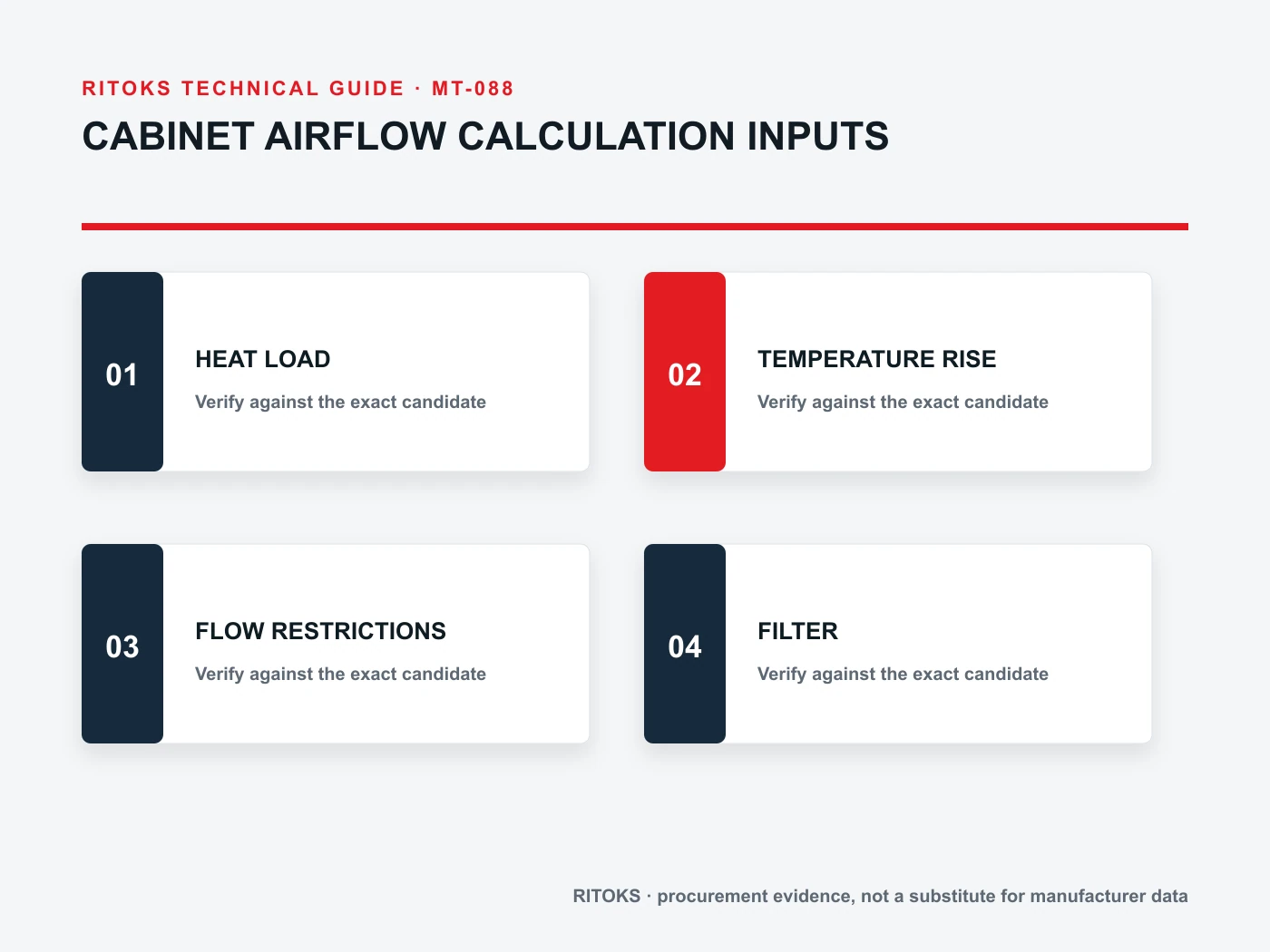
| Tải nhiệt | Losses by component and operating state | Equipment loss data and duty record |
| Môi trường | Ambient range and contamination | Site conditions and enclosure objective |
| Đường dẫn khí | Inlet, outlet, filters, obstructions | Layout and cutout drawings |
| Fan operating point | Flow at actual pressure resistance | Exact-model fan curve and system estimate |
Inventory real heat sources
List the components that dissipate heat inside the enclosure: power devices, supplies, drives, transformers, control electronics and wiring where relevant. Use credible operating states, not only installed nameplate capacity. Some sources do not peak together, while others have short but significant duty periods.
Record the basis for every loss estimate and the load combinations the cabinet will actually see. Unknown heat inputs should remain open assumptions rather than disappearing into an arbitrary fan margin.
Define ambient and internal limits
Ventilation exchanges cabinet air with surrounding air. Document the ambient range at the actual installation, including solar exposure or nearby hot equipment where relevant, and define the acceptable internal condition for the most sensitive installed component.
The air entering the enclosure cannot be cooler than the surrounding source without an active cooling method. If ambient approaches or exceeds the required internal limit, adding fan capacity alone may not solve the problem.
Draw the path from inlet to outlet
Show where air enters, how it crosses the heat sources and where it leaves. Separate a clear path from a short circuit in which fresh air exits before reaching the critical equipment. Wiring ducts, shelves and component placement can redirect flow.
A useful drawing marks inlet and outlet height, guards, filters, internal barriers and service doors. It lets the design team discuss hot spots and maintenance access before choosing a frame size.
Account for restriction, not only free air
Filters, louvers, grilles and narrow passages impose pressure resistance. A fan curve describes how available flow changes with pressure. Therefore a free-air figure is not the delivered airflow through a finished cabinet.
Ask for an exact-model performance curve and estimate the resistance of the assembled path. Revisit the estimate when filter media, outlet geometry or cabinet layout changes; otherwise the selected operating point may shift.
Consider filter condition over time
A clean filter is not the only operating condition. Dust loading changes resistance and service needs. Define the contamination expected at the site, an inspection method and the replacement element.
Do not invent a fixed maintenance interval from a product category name. The first inspection schedule should reflect actual exposure and be refined from recorded condition and temperature behavior.
Choose fan direction and control deliberately
Whether the fan supplies or extracts air influences pressure direction and leakage paths. The choice also affects where filtered air enters and how it reaches heat sources. Specify any thermostat, alarm or speed control requirement as a separate feature to verify.
Review the supply voltage, wiring and control sequence with the electrical designer. Avoid assuming that a fan family includes monitoring outputs or variable-speed control unless the exact order code confirms them.
Validate the finished cabinet
The estimate narrows candidates; the built cabinet provides the final evidence. Check representative duty states, ambient conditions when possible, internal temperature locations, flow obstructions and alarm behavior.
Document the installed fan, filter, cutouts, control settings and test conditions. If a hot spot remains, trace the airflow path and heat input before simply increasing nominal fan size.
Tạo tệp bằng chứng dựa trên mô hình chính xác
A category or product-family page helps locate relevant options; it does not by itself approve one variant. For cabinet ventilation, keep the full proposed order code, current datasheet, terminal or mounting drawing, operating instructions and any project calculation together. Read the conditions attached to each rating or function. If the evidence belongs to a neighboring model, request the correct document instead of carrying the claim across.
Nhóm dự án chịu trách nhiệm về các đầu vào của hệ thống và các tiêu chí nghiệm thu. Nhà cung cấp chịu trách nhiệm về các bằng chứng liên quan đến hạng mục được đề xuất. Trong quá trình rà soát kỹ thuật, hãy ghi chú từng yêu cầu bắt buộc bên cạnh tài liệu và phiên bản cụ thể đáp ứng yêu cầu đó. Đánh dấu các trường thông tin còn thiếu là “chưa hoàn thành”, “có điều kiện” hoặc “không được hỗ trợ”. Điều này giúp tạo ra một quyết định có thể truy vết được và ngăn chặn việc một giá trị tổng thể tích cực che lấp một kết nối hoặc điều kiện lắp đặt không tương thích.
So sánh các gói ưu đãi trọn gói
| Mặt hàng | Kết quả so sánh | Lý do |
|---|---|---|
| Sản phẩm có thể đặt hàng | Mã sản phẩm đầy đủ, các phiên bản và phụ kiện đi kèm | Ngăn chặn những giả định ở cấp độ gia đình |
| Sự phù hợp của ứng dụng | Phản hồi bằng văn bản đối với từng ý kiến đóng góp cho dự án | Giữ cho các trường hợp ngoại lệ luôn hiển thị |
| Tài liệu hướng dẫn | Bảng thông số kỹ thuật, bản vẽ, hướng dẫn và các bản sửa đổi | Các yêu cầu liên quan đến mặt hàng được chào bán |
| Các vấn đề còn bỏ ngỏ | Chủ sở hữu và ngày đến hạn để làm rõ | Tránh việc chấp nhận một cách im lặng |
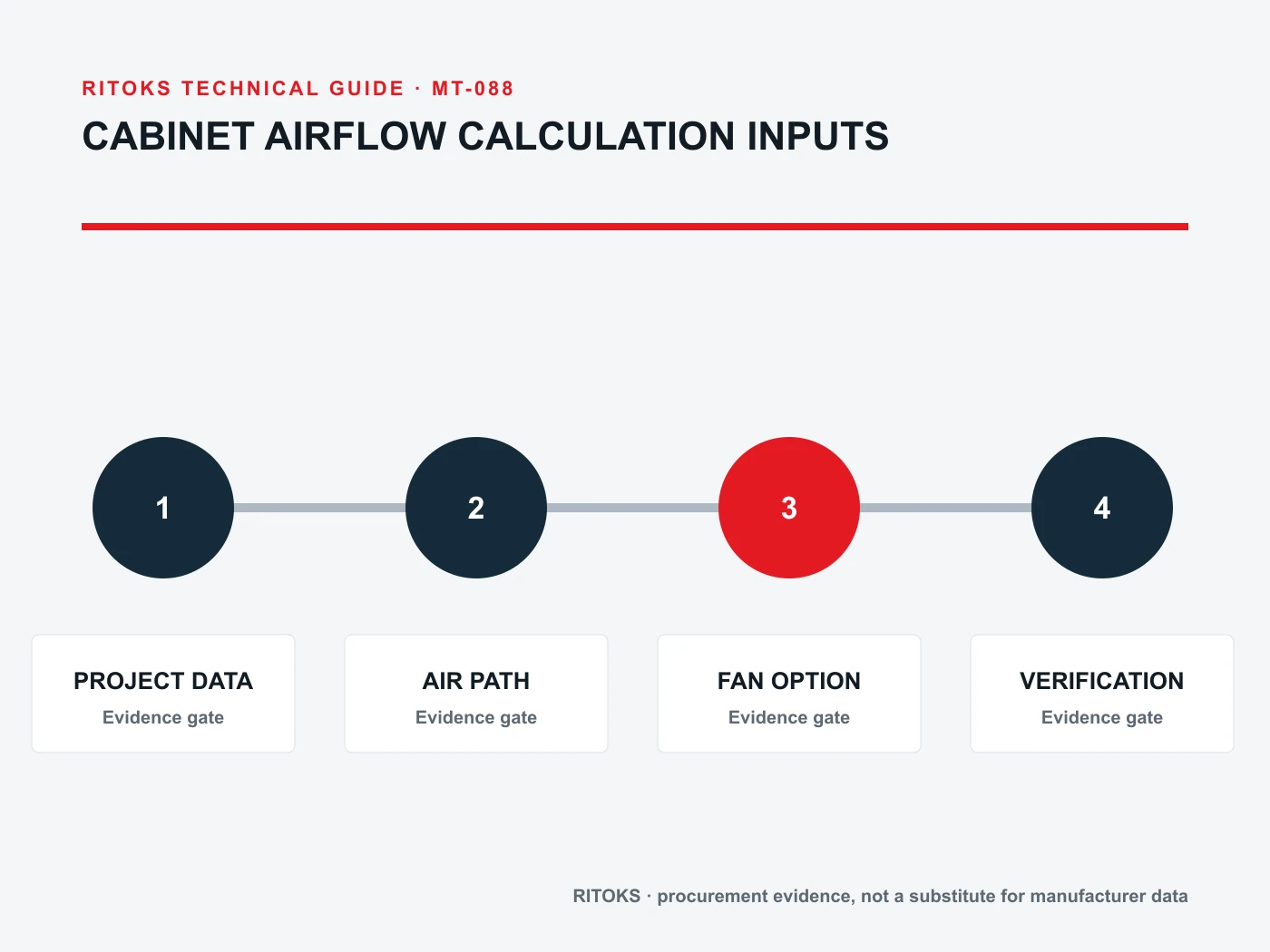
Hãy sử dụng cùng một bản tóm tắt dự án cho mọi báo giá. Các điều khoản thương mại như giá cả và thời gian giao hàng có thể được so sánh sau khi phạm vi kỹ thuật đã được chuẩn hóa. Không nên coi việc thiếu phụ kiện, các thông số kỹ thuật không được hỗ trợ hoặc giả định về hệ thống dây điện chưa được làm rõ là tương đương với một đề xuất đã được lập thành văn bản. Nếu có đề xuất phương án thay thế, hãy hỏi xem những thông số đầu vào nào thay đổi và tiến hành lại quá trình rà soát đối với các phần bị ảnh hưởng.
Kiểm tra việc lắp đặt và nghiệm thu
Trước khi lắp đặt, hãy xác nhận rằng nhãn mác, mã sản phẩm đầy đủ và các phụ kiện đi kèm phải khớp với hồ sơ đã được phê duyệt. So sánh các đầu nối, cách lắp đặt, lối đi của dây dẫn và bất kỳ hướng lắp đặt nào được ghi rõ với các hướng dẫn cụ thể. Một sản phẩm có vẻ ngoài tương tự như phiên bản đã được phê duyệt vẫn có thể có cấu hình điện, tùy chọn điều khiển hoặc cơ sở thử nghiệm khác.
Lập kế hoạch kiểm tra thực tế nhằm giải quyết các rủi ro thực tế của dự án. Việc này có thể bao gồm việc kiểm tra hệ thống dây điện so với sơ đồ đã được phê duyệt, phản hồi chức năng, các phép đo trong các trạng thái vận hành điển hình và việc xác nhận các tính năng liên lạc hoặc báo động. Ghi chép lại các điều kiện và kết quả. Kế hoạch nghiệm thu phải dựa trên hồ sơ ứng dụng và bằng chứng từ nhà cung cấp, chứ không phải từ một danh sách kiểm tra chung chung.
Danh sách kiểm tra yêu cầu báo giá
- Identify the circuit, equipment and location that cabinet ventilation must serve.
- Vui lòng đính kèm bản vẽ hệ thống và các trạng thái hoạt động xác định ứng dụng.
- Record heat sources and its source document.
- Record ambient range and its source document.
- Record target condition and its source document.
- Record duty cycle and its source document.
- Confirm the exact-model evidence for inlet filter.
- Confirm the exact-model evidence for flow path.
- Confirm the exact-model evidence for system resistance.
- Confirm the exact-model evidence for hot spots.
- Yêu cầu cung cấp mã đặt hàng đầy đủ, phụ kiện, bản vẽ và phiên bản mới nhất của bảng thông số kỹ thuật.
- Hãy hỏi về các trường hợp ngoại lệ, các giả định, các giải pháp thay thế và các vấn đề kỹ thuật chưa được giải quyết.
Yêu cầu báo giá (RFQ) cần phải đủ cụ thể để nhà cung cấp có thể trả lời mà không cần phải tự suy diễn các thông số dự án còn thiếu. Nếu một thông tin đầu vào thiết yếu vẫn chưa được xác định, hãy ghi rõ đó là một câu hỏi và chỉ rõ ai sẽ là người xác định thông tin đó. Không được biến một giả định thành tiêu chí đánh giá, tuyên bố tuân thủ hoặc phương pháp lắp đặt đã được phê duyệt.
Điều gì ảnh hưởng đến quyết định
A decision can change when the source arrangement, load behavior, environment, installation geometry or required function changes. Revisit the selected cabinet ventilation whenever one of those inputs moves outside the approved brief. Recheck the order code and the exact evidence affected by the change; do not rely on a previous approval for a circuit that now asks the component to do different work.
Hãy lưu giữ một bản lịch sử sửa đổi ngắn gọn về bản tóm tắt dự án, phản hồi của nhà cung cấp và danh sách các trường hợp ngoại lệ đã được chấp nhận. Hồ sơ này giúp các bộ phận kỹ thuật, mua hàng và vận hành thử làm việc dựa trên cùng một phiên bản. Điều này đặc biệt hữu ích khi báo giá được điều chỉnh, có đề xuất sản phẩm thay thế hoặc thiết kế tủ điện thay đổi sau lần so sánh đầu tiên.
Các vấn đề cần giải quyết trước khi phê duyệt
Ask who owns each remaining technical question for the proposed cabinet ventilation. The buyer should confirm the system inputs and installation constraints; the supplier should confirm the exact item, included options and applicable documentation. Put the answer and document revision beside the question. An unanswered point should remain visible in the comparison rather than being converted into an assumed feature.
Khi báo giá đưa ra một phương án thay thế, hãy yêu cầu giải thích bằng văn bản về những thay đổi liên quan đến mạch điện, cách lắp đặt hoặc tiêu chuẩn hiệu suất. Hãy xem xét bất kỳ bản vẽ mới nào cùng với kỹ sư dự án và ghi nhận liệu thay đổi được đề xuất có thể chấp nhận được hay không. Việc thay thế là một quyết định kỹ thuật mới, ngay cả khi nó có vẻ tương đương về mặt thương mại. Điều này đặc biệt quan trọng khi nhiều nhà cung cấp sử dụng các nhãn dòng sản phẩm tương tự cho các cấu hình khác nhau.
Các câu hỏi thường gặp
Can a free-air rating be used as cabinet airflow?
No. The installed filter and cabinet path create resistance, so review the exact fan curve and system operating point.
Will a larger fan always lower cabinet temperature?
Not necessarily. Ambient conditions, heat load and whether air reaches hot components determine the result.
When should I consider closed-loop cooling?
Review another method when outdoor air cannot meet the target condition or must be kept out of the enclosure.
Các trang liên quan trên RITOKS
Để biết thêm thông tin về dòng sản phẩm, xem Vỏ bảo vệ và Quản lý nhiệt. Các trang sản phẩm liên quan đã được đăng tải bao gồm Fd Cabinet Filter Fan Electrical Enclosures, Industrial Ac Axial Cooling Fan 60 250mm, 12038 Ac Axial Cooling Fan 110v 220v 380v. Khi so sánh một mặt hàng được đề xuất, hãy sử dụng các tài liệu về mẫu sản phẩm chính xác hiện tại của họ.
Để nhận báo giá dành riêng cho ứng dụng cụ thể, gửi bản tóm tắt dự án cho RITOKS cùng với các sơ đồ và các câu hỏi mở nêu trên.