
Power Module Heatsinks · Comparison
Natural-Convection vs Forced-Air Heatsinks for Power Modules
Natural-Convection vs Forced-Air Heatsinks for Power Modules starts with the system question: When does the thermal design require airflow rather than passive cooling? A useful selection brief connects the equipment duty, installation and receiving system to a specific orderable product. The article below separates project inputs from product evidence so that a familiar product name does not quietly become a technical approval.
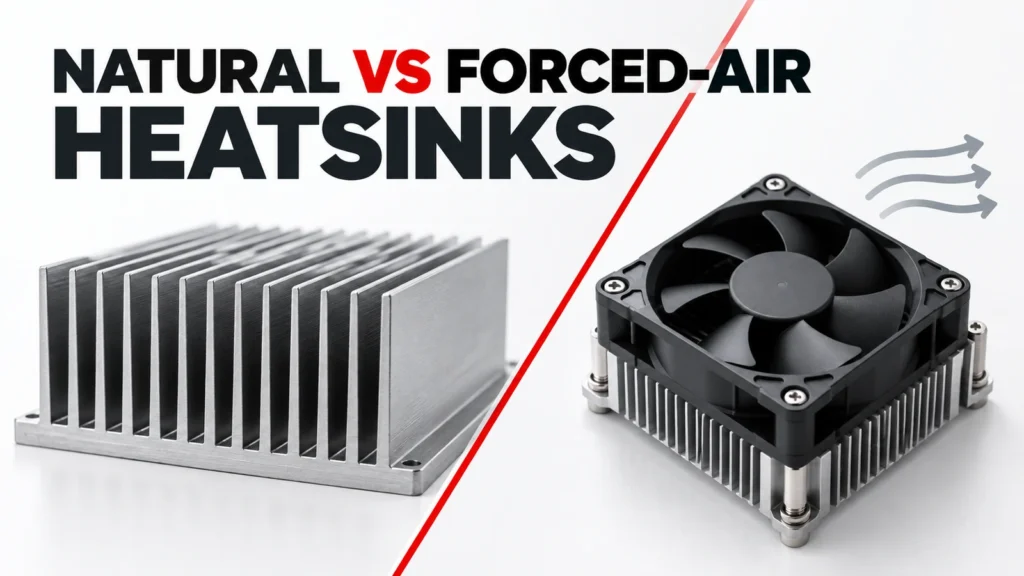
This comparison explains the thermal design evidence required to choose passive or forced-air heatsinking. It gives no universal heat dissipation rating, airflow value, thermal resistance or fan lifetime for a product without exact test conditions.
ข้อมูลพื้นฐานสำหรับการตัดสินใจ
| พื้นที่รีวิว | ข้อมูลนำเข้าของโครงการ | หลักฐานที่จำเป็นต้องขอ |
|---|---|---|
| DEVICE LOSS | กำหนดสถานะการทำงานจริงและขอบเขตของระบบ | แบบระบบที่ได้รับการอนุมัติ หรือบันทึกการทำงาน |
| INTERFACE | ระบุอินเทอร์เฟซ รูปทรง หรือข้อกำหนดการควบคุม | เอกสารเกี่ยวกับอุปกรณ์หรือผลิตภัณฑ์ที่ถูกต้อง |
| HEATSINK | สภาพสิ่งแวดล้อมและสภาพการติดตั้ง | ภาพวาดสถานที่หรือภาพวาดแผง |
| AMBIENT | อธิบายข้อกำหนดเกี่ยวกับบริการและการรับมอบ | คู่มือและแผนการทดสอบที่ชัดเจน |
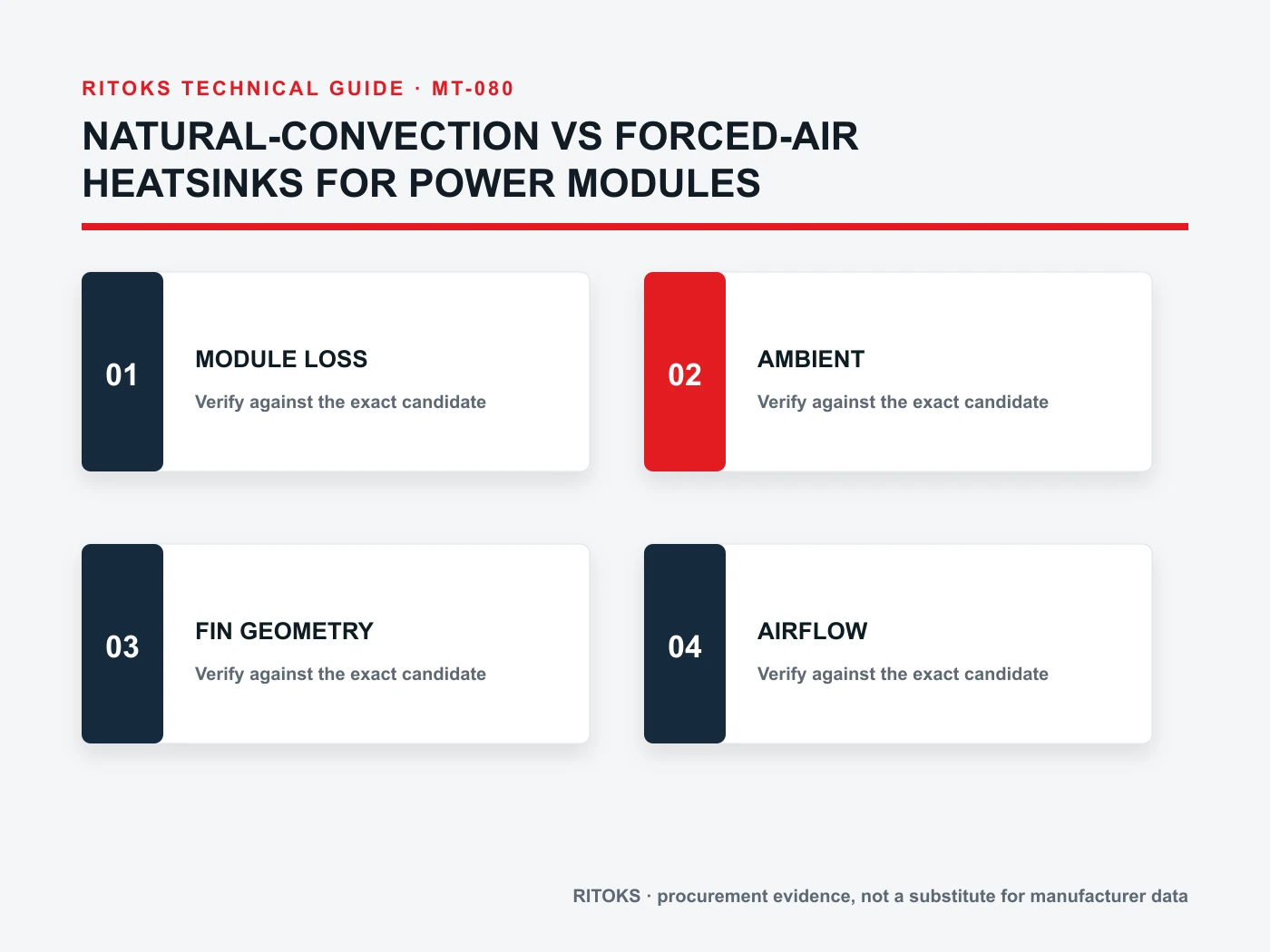
Two cooling methods, one thermal obligation
A natural-convection heatsink transfers heat to surrounding air without a dedicated fan moving air through its fins. A forced-air heatsink uses directed airflow to change that transfer condition. The practical choice is not determined by appearance or the word “power” in a module description. It depends on verified semiconductor loss, allowable temperatures, ambient conditions, mounting and the entire thermal path.
Both approaches can be appropriate in industrial equipment. Passive cooling avoids dependence on a fan, but often requires a compatible installation orientation, space and ambient. Forced air can support a different heat-transfer condition, but introduces airflow, power, acoustic, filtration, service and failure-state questions. The exact device data decides whether either approach has sufficient margin.
Calculate losses before comparing fin shapes
The starting input is the power module’s heat dissipation under representative operating states. Obtain loss information for the exact semiconductor order code and the intended electrical duty. A nameplate current or visually large package does not equal the heat that must leave the assembly. Include continuous and relevant transient conditions in the project brief.
Document whether the module is an SCR, rectifier, diode or another device, because conduction and switching behavior may differ. If the loss model is uncertain, do not backfill a generic wattage. Identify the missing curve or supplier calculation and treat the heatsink selection as provisional until it is supplied.
Trace the complete thermal path
Heat moves from junction through the device package, mounting interface and heatsink into the surrounding air. Each boundary needs evidence. The mechanical contact, approved interface material, mounting pressure and surface condition affect the result, as does the airflow or convection environment at the fins. A quoted heatsink value without its test conditions is not transferable to every assembly.
Ask for the exact thermal data, mounting instructions and a drawing that shows contact area and clearances. Compare the semiconductor’s allowable temperature with the proposed operating states using the supplier’s method. Reserve a prototype temperature check for conditions that are difficult to model, such as a densely populated enclosure or uncertain local air recirculation.
Natural convection needs a real installation context
Passive performance depends on how air can enter, warm and leave the fin channels. Orientation, vertical clearance, adjacent equipment and enclosure temperature may change the result materially. A bench test in open air may not describe a crowded cabinet with nearby heat sources. Define the actual mounting plane and free space before accepting a catalog thermal curve.
The system should also account for warm-start and high-ambient conditions. The passive option may be attractive where fan maintenance is difficult, but simplicity does not waive a thermal check. If the only available data describes a different orientation or ambient, request an applicable test or engineering review.
Forced air is an operating system, not an accessory
A fan rating quoted in free air does not reveal the flow through a heatsink inside a cabinet. Filters, grilles, duct turns, neighboring components and air recirculation can restrict the actual path. Request the fan curve and heatsink performance under documented airflow conditions, then evaluate the assembled path rather than adding nominal component values.
Decide who monitors fan operation and what the equipment does when airflow is lost. A forced-air design can be valid only if its power supply, wiring, maintenance access, replacement plan and alarm behavior are accepted by the project. Include these controls in the quotation and assembly test plan.
Compare reliability and service honestly
A passive design can reduce moving parts but may use more volume and still require clean air passages. A forced-air design can fit a different thermal envelope but needs fan and filter inspection. Dust accumulation affects both fin exposure and the airflow system. State the intended service interval as a project decision, not as an invented universal product property.
Procurement should compare delivered scope: heatsink extrusion, machining, mounting hardware, interface material, fan, guard, filter and cables. Two quotes for “the same heatsink” may include different work. Normalize those inclusions before comparing lead time or price.
Confirm with an assembly-level temperature test
A calculation screens candidates; a representative assembly test closes uncertainty. Measure the relevant points under the operating states and ambient conditions specified by the project engineer, and record how the result maps to the exact device limit. Do not substitute an enclosure air reading for a junction calculation without a supported method.
The test record should identify the exact semiconductor, heatsink, fan configuration if used, mounting material, orientation and enclosure state. A later change to any of these inputs can invalidate the result. Keep the approved thermal configuration with the product build documentation.
สร้างไฟล์หลักฐานแบบจำลองที่แม่นยำ
For the proposed Power Module Heatsink, create one approval record with the complete order code, the exact datasheet, the relevant drawing, installation instructions and any curve or test report used for the decision. Date each file or record its revision. A product-family page is useful for discovery, but it does not prove that a particular configuration includes an optional feature or meets a system condition.
เปรียบเทียบทุกข้อกำหนดกับข้อมูลหลักฐานของสินค้าเดียวกันที่สามารถสั่งซื้อได้ อย่าผสมผสานค่าสูงสุดของกลุ่มผลิตภัณฑ์จากรุ่นหนึ่งกับแผนผังวงจร รายการอุปกรณ์เสริม หรือกราฟอุณหภูมิจากรุ่นอื่น ให้ใส่ข้อมูลที่ยังไม่ได้รับการแก้ไขลงในคอลัมน์ชี้แจงที่มองเห็นได้ หากผู้จัดหาเสนอสินค้าทดแทน ให้ดำเนินการตรวจสอบใหม่สำหรับส่วนที่ได้รับผลกระทบก่อนที่จะอนุมัติความเทียบเท่าทางเทคนิคของสินค้าดังกล่าว.
แยกข้อมูลป้อนเข้าของโครงการออกจากคำขอชำระเงินของผู้จัดหา
ทีมโครงการเป็นผู้รับผิดชอบข้อมูลบันทึกของแอปพลิเคชัน ได้แก่: การนำเข้าและโหลดข้อมูล, สถานะการทำงาน, สภาพแวดล้อม, การติดตั้ง, ระบบควบคุม, การให้บริการ และเกณฑ์การรับมอบ ส่วนผู้จัดหาเป็นผู้รับผิดชอบรหัสคำสั่งซื้อที่เสนอและหลักฐานอุปกรณ์ที่สนับสนุน ทั้งสองฝ่ายไม่ควรเติมข้อมูลที่ขาดหายไปโดยการสันนิษฐานจากลักษณะภายนอกหรือชื่อตระกูลที่คุ้นเคย คำตอบที่เป็นประโยชน์คือ “ข้อมูลยังไม่พร้อม” โดยต้องมีผู้รับผิดชอบและวันที่ปิดการดำเนินการสำหรับข้อมูลที่ขาดอยู่.
ให้ระงับข้อมูลนั้นไว้จนกว่าการเปรียบเทียบข้อเสนอจะเสร็จสิ้น หากมีการเปลี่ยนแปลงในหน้าที่การทำงาน ตู้ควบคุม แหล่งจ่ายไฟฟ้า มิเตอร์ มอเตอร์ หรือระบบป้องกัน ให้ออกใบข้อมูลป้อนเข้าฉบับแก้ไข และขอให้ผู้จัดหาแต่ละรายยืนยันตัวเลือกของตนอีกครั้ง การทำเช่นนี้จะช่วยป้องกันไม่ให้ใบเสนอราคาที่ส่งมาแต่เนิ่นๆ ถูกถือเป็นการอนุมัติสำหรับแบบการออกแบบในภายหลัง.
วิธีเปรียบเทียบข้อเสนอจากผู้จัดหา
| สินค้าที่เสนอ | ควรเปรียบเทียบอะไร | หลักฐานการอนุมัติ |
|---|---|---|
| ขอบเขตที่สามารถสั่งซื้อได้ | รหัสเต็มและอุปกรณ์เสริมที่มาพร้อม | ใบเสนอราคาที่แม่นยำและใบรายการวัสดุ |
| การติดตั้งระบบไฟฟ้า | ทุกสถานะการทำงานที่เกี่ยวข้อง | เอกสารเกี่ยวกับค่าเรตติ้งที่แม่นยำ, วงจร หรือเส้นโค้ง |
| ความพอดีทางกล | การติดตั้ง, ขั้วต่อ และการเข้าถึง | คู่มือการวาดและติดตั้ง |
| แผนบริการ | วิธีการตรวจสอบและเปลี่ยน | คู่มือการดูแลรักษา |
| รายการที่ยังไม่ปิด | สมมติฐาน การยกเว้น และข้อยกเว้น | ทะเบียนคำชี้แจงเป็นลายลักษณ์อักษร |
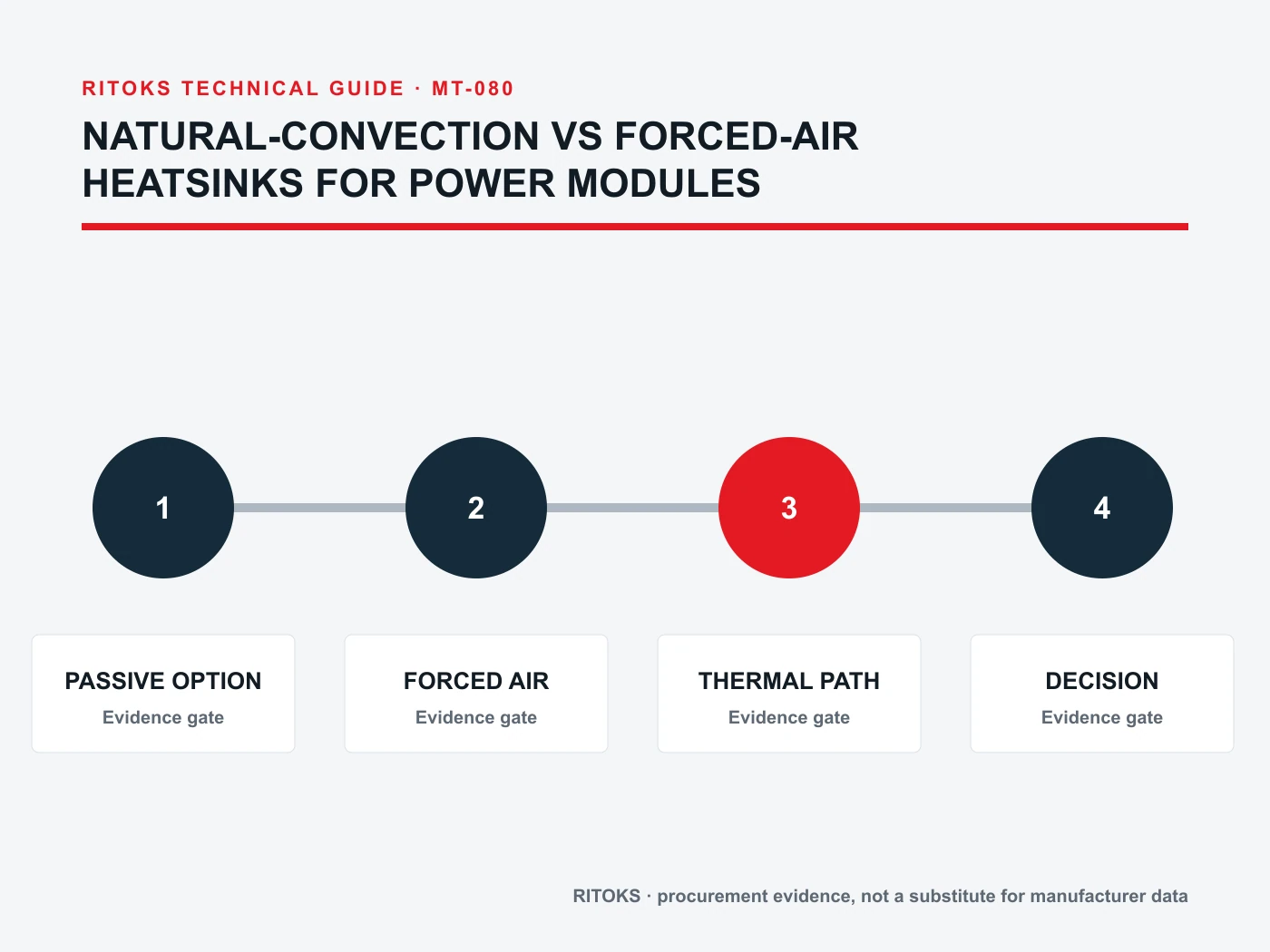
Normalize each Power Module Heatsink offer to the same application record. A shorter lead time or lower price is meaningful only after the technical scope is comparable. Record whether each supplier included the required accessories, documents and support for commissioning. Keep exceptions explicit, especially when the candidate needs a change to the panel or control design.
จุดตรวจสอบในการจัดซื้อและรับมอบ
- ยืนยันขอบเขตของระบบ สถานะการทำงาน และเกณฑ์การรับมอบ.
- ตรวจสอบรหัสคำสั่งซื้อหนึ่งรายการให้ตรงกับเอกสารรุ่นที่ถูกต้อง.
- แก้ไขปัญหาที่ผิดปกติด้านไฟฟ้า เครื่องกล สิ่งแวดล้อม และบริการ.
- เปรียบเทียบขอบเขตงานที่ส่งมอบและฉบับแก้ไขของเอกสารระหว่างข้อเสนอต่าง ๆ.
- ตรวจสอบสินค้าที่รับมาเทียบกับข้อมูลที่ได้รับการอนุมัติ.
- ทดสอบชุดประกอบที่เสร็จสมบูรณ์ตามขั้นตอนที่โครงการได้อนุมัติ.
การตรวจสอบสินค้าที่รับเข้าควรตรวจสอบฉลาก หัวต่อ อุปกรณ์เสริมที่มาพร้อม และเอกสารที่ส่งมา ให้ตรงกับคำสั่งซื้อที่ได้รับการอนุมัติ การเปลี่ยนด้วยสินค้าจากตระกูลเดียวกันไม่สามารถรับได้โดยอัตโนมัติ เมื่อดำเนินการติดตั้งและทดสอบระบบ ให้ตรวจสอบฟังก์ชันที่เกี่ยวข้องกับการใช้งาน ซึ่งไม่สามารถยืนยันได้เพียงจากเอกสารคู่มือของชิ้นส่วนเท่านั้น แผนการทดสอบควรระบุสถานะที่เป็นตัวแทนและเกณฑ์การรับสินค้า โดยไม่กำหนดขีดจำกัดทั่วไป.
รายการตรวจสอบการเตรียมเอกสารขอเสนอราคา (RFQ)
A useful request for quotation on natural convection vs forced air heatsink is concise but complete. Ask for the exact orderable configuration and list unknown values as questions. Do not let the sales description silently answer a technical question that belongs to a calculation, a drawing or a test.
- DEVICE LOSS
- INTERFACE
- HEATSINK
- AMBIENT
- FAN CURVE
- RESTRICTION
- FAILURE MODE
- TEST
- ฉบับแก้ไขของเอกสารที่เกี่ยวข้อง
- จำนวน จุดหมายปลายทาง และขอบเขตการส่งมอบ
ขอให้ผู้จัดหาระบุข้อยกเว้น สมมติฐาน และรายการที่เลือกได้แยกกัน เก็บบันทึกการชี้แจงทางเทคนิคไว้พร้อมกับใบเสนอราคา เพื่อให้ฝ่ายจัดซื้อและฝ่ายวิศวกรรมสามารถตรวจสอบขอบเขตงานเดียวกันได้ หากข้อมูลสำคัญยังขาดอยู่ ผู้เสนอราคาอาจยังคงน่าสนใจในเชิงพาณิชย์ แต่การอนุมัติทางเทคนิคยังคงอยู่ระหว่างการพิจารณา.
คำถามที่มักถูกถาม
Can a Power Module Heatsink be chosen from one headline rating?
ไม่ครับ การใช้งาน การตั้งค่าที่แม่นยำ และสภาพทางไฟฟ้า กลไก ความร้อน และสิ่งแวดล้อมที่เกี่ยวข้อง ต้องได้รับการตรวจสอบร่วมกัน ชื่อในแคตตาล็อกเป็นจุดเริ่มต้นสำหรับการค้นคว้า ไม่ใช่บันทึกการอนุมัติที่ครบถ้วน.
หน้าข้อมูลครอบครัวนี้สามารถพิสูจน์ความสัมพันธ์ที่แน่ชัดหรือความเกี่ยวข้องได้หรือไม่?
ไม่ครับ ให้ใช้รหัสสั่งซื้อที่เสนอไว้ พร้อมกับแบบวาดปัจจุบัน แผ่นข้อมูล และคู่มือการติดตั้ง สำหรับคุณสมบัติเพิ่มเติมหรือการจัดวางขั้วต่อแบบอื่น ๆ อาจแตกต่างกันภายในกลุ่มผลิตภัณฑ์เดียวกัน.
หากผู้จัดหาไม่สามารถจัดหาค่าที่จำเป็นหนึ่งค่าได้ จะเกิดอะไรขึ้น?
ทำเครื่องหมายว่าค่าดังกล่าวยังไม่ได้รับการยืนยัน ระบุผู้ที่จะได้รับค่าดังกล่าว และระงับการตัดสินใจที่เกี่ยวข้องไว้ก่อน อย่าเปลี่ยนสมมติฐานให้เป็นข้ออ้างที่ได้รับการยืนยันเพียงเพราะวันที่ซื้อกำลังใกล้เข้ามา.
ควรดำเนินการทบทวนต่อที่ไหน
ดู Power Module Heatsink category สำหรับกลุ่มผลิตภัณฑ์ที่มีอยู่ แล้วตรวจสอบ หน้าผลิตภัณฑ์ที่เกี่ยวข้อง เป็นจุดเริ่มต้นที่แนะนำ หน้าเหล่านี้ระบุจุดหมายทางการค้า ส่วนเอกสารแบบตัวอย่างที่เฉพาะเจาะจงจะกำหนดความเหมาะสมในการใช้งาน สำหรับการเปรียบเทียบที่เฉพาะเจาะจงกับโครงการ โปรดส่งข้อมูลระบบและคำถามที่ยังไม่ได้รับคำตอบผ่าน หน้าสอบถามข้อมูล RITOKS.
หากหลังจากตรวจสอบหลักฐานแล้ว พบว่าอุปกรณ์หรือวิธีการอื่นดูเหมาะสมกว่า ให้แก้ไขเอกสารข้อกำหนดการออกแบบก่อนที่จะขอเปลี่ยนอุปกรณ์ ให้บันทึกข้อมูลนั้นเชื่อมโยงกับวงจรและระบบติดตั้งขั้นสุดท้าย ไม่ใช่เพียงกับกลุ่มผลิตภัณฑ์ที่ดึงดูดความสนใจในขั้นต้นเท่านั้น.